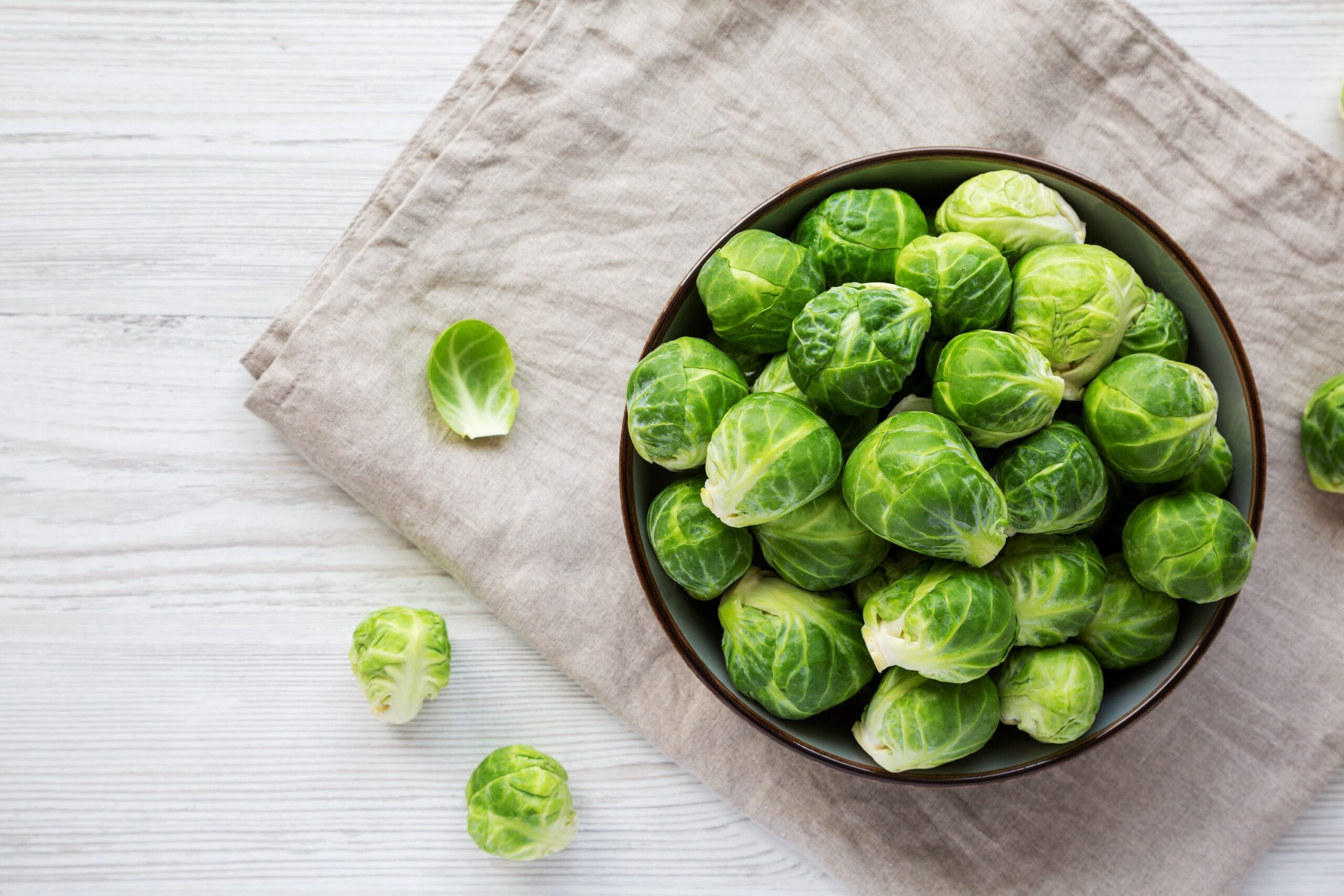
Brussels sprouts are naturally low in calories and rich in fiber, making them a great choice for weight loss. They’re also packed with nutrients, including vitamins C and K.
And the fact that Brussels sprouts have come a long way from a boring boiled side dish is a good thing. Roasting and air frying bring out their natural sweetness and give them crispy edges, while bold seasonings like gochujang, chili crisp, and balsamic glaze have made them a favorite on restaurant menus and at home.
These cooking methods can also affect their nutritional value. One cup of plain, boiled Brussels sprouts has just 56 calories, but boiling can cause some nutrients to leach into the cooking water. Roasting and steaming can help preserve more of certain nutrients, though adding generous amounts of oil, bacon, or sugary glazes can quickly increase the calories. The key is finding a balance between flavor, nutrition, and calories that works for you.
Here’s how Brussels sprouts can support your weight-loss goals and how to prepare them to get the most out of their nutritional benefits.
✅ Quick answer: Are Brussels sprouts good for weight loss?
- Yes. Brussels sprouts are low in calories and high in fiber, a combination that can help you feel full while managing your calorie intake. One cooked cup has just 56 calories and about 4 grams of fiber. Roasting, steaming, or air frying them with a little oil and your favorite seasonings makes them a flavorful addition to a balanced weight-loss plan.
🚀 Weight-loss benefits of Brussels sprouts
- They’re low in calories but filling. One cup of cooked Brussels sprouts has just 56 calories, making them a great way to add volume to your meals without adding many calories. Research suggests that eating more water-rich vegetables can help people feel satisfied while reducing their overall calorie intake.
- Their fiber can help you stay satisfied longer. One cup provides about 4 grams of fiber, or 15% of the Daily Value. Fiber helps support fullness, which can make it easier to maintain a calorie deficit. In the POUNDS Lost study, people who increased their fiber intake by an average of 3.7 grams per day lost about 3 pounds more over six months. This was an association, not proof that fiber alone caused the additional weight loss.
- They can help support long-term weight management. Brussels sprouts are non-starchy vegetables, meaning they’re relatively low in calories and digestible carbohydrates. Research following more than 133,000 adults found that eating more vegetables was associated with less weight gain over time, particularly when choosing non-starchy varieties. While Brussels sprouts weren’t studied individually, they can be part of this healthy eating pattern.
⚠️ Things to be mindful of with Brussels sprouts
- Preparation can add a lot of calories. Brussels sprouts are naturally low in calories, but cooking them with generous amounts of oil, bacon, or sweet glazes can change that. Just one tablespoon of olive oil adds about 120 calories. Try roasting or air frying them with a measured amount of oil and plenty of seasoning.
- They can cause gas and bloating. Like other cruciferous vegetables, Brussels sprouts contain fiber and fermentable carbohydrates that can cause digestive discomfort, especially if you eat a large portion. Start with a smaller serving and increase gradually as your body adjusts.
- Their vitamin K content can interact with certain medications. Brussels sprouts are particularly rich in vitamin K, which plays a role in blood clotting. If you take warfarin, it’s important to keep your vitamin K intake consistent rather than suddenly increasing or decreasing how much you eat. Talk with your healthcare provider before making significant dietary changes.
🥗 Brussels sprouts: Nutrition facts
(per 1 cup, boiled and drained, 156 g)

The Easy Way
to lose weight and get healthy.
| Nutrient | Amount | % RDA* |
|---|---|---|
| Calories | 56 calories | 3% |
| Protein | 4.0 g | 8% |
| Total carbs | 11.1 g | 4% |
| Fiber | 4.1 g | 15% |
| Sugars | 2.7 g | — |
| Total fat | 0.8 g | 1% |
| – Saturated fat | 0.2 g | 1% |
*Recommended dietary allowance (RDA) is defined as the average daily amount of nutrients needed to meet the requirements of nearly all healthy people in a specific group. Percentages are calculated against FDA reference amounts for a 2,000-calorie diet.
Brussels sprouts provide a lot of nutrition for relatively few calories. One cooked cup has just 56 calories and provides about 15% of your daily fiber needs. That fiber can help you feel satisfied after eating and supports healthy digestion.
They also contain about 4 grams of protein per cup, which is more than many other vegetables, though you’ll still want to pair them with a protein source like chicken, fish, eggs, or beans for a balanced meal.
Brussels sprouts are naturally very low in fat, with less than 1 gram per cup. Most of the fat and additional calories in prepared Brussels sprouts come from the oil, butter, or toppings added during cooking.
💊 Brussels sprouts: Vitamins & minerals
(per 1 cup, boiled and drained)
| Vitamin/Mineral | Amount | % RDA* |
|---|---|---|
| Vitamin K | 219 µg | 182% |
| Vitamin C | 96.7 mg | 107% |
| Folate | 94 µg DFE | 24% |
| Vitamin B6 | 0.27 mg | 16% |
| Manganese | 0.34 mg | 15% |
| Potassium | 495 mg | 11% |
| Choline | 63 mg | 11% |
| Iron | 1.9 mg | 10% |
| Vitamin E | 1.4 mg | 9% |
| Vitamin A | 60 µg RAE | 7% |
| Magnesium | 31 mg | 7% |
| Phosphorus | 87 mg | 7% |
| Calcium | 56 mg | 4% |
Brussels sprouts pack an impressive amount of vitamins and minerals into just 56 calories. One cooked cup provides more than 100% of the RDA for both vitamin K and vitamin C, plus meaningful amounts of folate, vitamin B6, potassium, manganese, and several other nutrients.
These nutrients support everything from immune function and bone health to blood pressure regulation and healthy cell growth. Vitamin C also helps your body absorb iron from plant foods, while folate plays an important role in making new cells.
And here’s the good news: Brussels sprouts are nutritious no matter how you prepare them. Cooking methods can affect some nutrients, particularly heat-sensitive vitamin C, and adding oil, bacon, or sauces increases the calories. But even when they’re roasted with olive oil or served with a flavorful glaze, Brussels sprouts still provide fiber, vitamins, and minerals that support overall health.
🔍 Nutrient breakdown
Glycemic index (GI) of Brussels sprouts
Glycemic index: Low (estimated)
💡 Tip: The glycemic index measures how quickly a carbohydrate-containing food raises blood sugar. Brussels sprouts are low in digestible carbohydrates and contain fiber, so they’re unlikely to cause a large blood sugar spike. Their exact GI hasn’t been reliably established, but they’re considered a low-glycemic food.
The Easy Way
to lose weight and get healthy.
Are Brussels sprouts high in protein?
❌ No: Brussels sprouts contain about 4 grams of protein per cooked cup, which is more than many other vegetables but not enough to make them a significant protein source on their own.
Higher-protein alternatives: Edamame | Lentils | Chicken breast
Are Brussels sprouts high in fiber?
✔️ They’re a good source: One cooked cup provides about 4 grams of fiber, or 15% of the RDA. Fiber supports digestion and helps you feel full longer, which can make managing your calorie intake easier.
💡 Tip: If Brussels sprouts make you feel bloated, start with a smaller portion and gradually increase how much you eat.
Are Brussels sprouts low in carbs?
✔️ Yes: One cooked cup contains about 11 grams of carbohydrates, including 4 grams of fiber. That leaves about 7 grams of net carbs, making Brussels sprouts a good option for people looking to manage their carbohydrate intake.
💡 Tip: Sweet glazes can add carbohydrates and calories. One tablespoon of honey, for example, adds about 17 grams of carbs.
Are Brussels sprouts gluten-free?
✔️ Yes: Fresh and frozen plain Brussels sprouts are naturally gluten-free. However, breading, sauces, and certain seasonings may contain gluten, so check ingredient labels and ask about preparation when dining out, especially if you have celiac disease.
Are Brussels sprouts good for fat loss?
✔️ Yes: Brussels sprouts are low in calories and rich in fiber, which can help you feel satisfied while maintaining the calorie deficit needed for fat loss. But preparation matters. Cooking them with lots of oil, bacon, or sugary glazes can add significant calories, making it harder to maintain that deficit. Brussels sprouts don’t directly burn fat, but they can be a nutritious part of a weight-loss plan.
🍽️ Diet compatibility: Which diets include Brussels sprouts?
| Diet | ✅ Yes / ❌ No | Why |
|---|---|---|
| Keto | ✅ Yes | With about 7 grams of net carbs per cooked cup, Brussels sprouts can fit into a keto diet. Just account for the carbs in your daily total. |
| Paleo | ✅ Yes | Brussels sprouts are a whole, unprocessed vegetable that fits naturally into a paleo eating pattern. |
| Mediterranean | ✅ Yes | Vegetables are a cornerstone of the Mediterranean diet. Try Brussels sprouts roasted with olive oil, garlic, and lemon. |
| Vegan | ✅ Yes | Brussels sprouts are naturally plant-based. Just skip animal-based toppings like bacon, butter, Parmesan, and honey. |
| Gluten-free | ✅ Yes | Plain Brussels sprouts are naturally gluten-free, but some sauces, breading, and seasonings may contain gluten. |
Brussels sprouts are versatile enough to fit into nearly any eating pattern, from keto to vegan. They’re naturally low in calories, rich in nutrients, and easy to prepare in different ways.
The main thing to watch is what you add. Ingredients like bacon, butter, cheese, and sugary glazes can change a dish’s nutritional profile or make it incompatible with certain diets. But there’s no need to eat Brussels sprouts plain to enjoy their health benefits.
🌟 Are Brussels sprouts healthy? The health benefits
Brussels sprouts offer benefits beyond weight management. Their fiber, vitamins, minerals, and plant compounds can support heart health, digestion, and overall wellness. While eating Brussels sprouts alone won’t dramatically change your health, including them regularly as part of a balanced diet can help support several important functions in your body.
Metabolic health: Are Brussels sprouts good for your metabolism?
- Boosts metabolism? ❌ Not directly. Brussels sprouts contain fiber and a small amount of protein, but there’s no evidence that eating them increases how many calories your body burns. Their main weight-loss benefit comes from helping you feel satisfied for relatively few calories.
- Improves insulin sensitivity? Possibly. Brussels sprouts are low in digestible carbohydrates and contain fiber, which can help slow carbohydrate absorption and support blood sugar management. While research on Brussels sprouts specifically is limited, eating more fiber-rich vegetables is associated with better metabolic health.
- Effect on fat storage? Indirectly positive. Brussels sprouts don’t prevent your body from storing fat or directly promote fat burning. But replacing higher-calorie foods with vegetables like Brussels sprouts may help you maintain a calorie deficit, which supports fat loss over time.
Cholesterol impact: Do Brussels sprouts affect cholesterol levels?
- Does it lower LDL (bad) cholesterol? Possibly. Brussels sprouts contain fiber, including some soluble fiber, which can help lower LDL cholesterol by reducing cholesterol absorption. The effect of one serving is likely small, but Brussels sprouts can contribute to a heart-healthy, high-fiber diet.
- Does it raise HDL (good) cholesterol? ❌ Not directly. There’s no strong evidence that Brussels sprouts increase HDL cholesterol. Regular physical activity and replacing saturated fats with unsaturated fats have stronger evidence for supporting healthy cholesterol levels.
- Overall impact on heart health? Generally positive. Research suggests that people who eat more cruciferous vegetables, including Brussels sprouts, broccoli, and cabbage, may have a lower risk of cardiovascular disease. Their fiber, potassium, and antioxidants can contribute to heart health, though more research is needed on Brussels sprouts specifically.
💡 Tip: Try roasting Brussels sprouts with olive oil instead of butter or bacon fat. Add garlic, lemon, or black pepper for flavor without relying on extra salt.
Can you eat Brussels sprouts in a calorie deficit?
✔️ Yes: Brussels sprouts are a great choice when you’re trying to lose weight. One to two cooked cups contain just 56 to 112 calories, leaving plenty of room for protein, whole grains, or other foods that make a balanced meal.
💡 Tip: Measure cooking oil rather than pouring freely. One teaspoon of olive oil adds about 40 calories.
Are Brussels sprouts rich in antioxidants?
✔️ Yes: Brussels sprouts provide vitamin C and plant compounds, including flavonoids and glucosinolates, that help protect cells from oxidative damage. One cooked cup provides more than 100% of the RDA for vitamin C. Research has found that Brussels sprouts have high antioxidant activity compared with many other cruciferous vegetables, though most of this research comes from laboratory studies.
Do Brussels sprouts support gut health?
✔️ Yes: Brussels sprouts contain fiber that helps nourish beneficial gut bacteria. When these bacteria break down certain fibers, they produce short-chain fatty acids that support the cells lining your colon. This process can also produce gas, especially if you eat a large portion.
Do Brussels sprouts support digestion?
✔️ Yes: The fiber in Brussels sprouts helps keep bowel movements regular and supports digestive health. However, their fermentable carbohydrates can cause bloating or discomfort, particularly for people with irritable bowel syndrome (IBS).
💡 Tip: If you’re sensitive to cruciferous vegetables, start with ¼ to ½ cup of well-cooked Brussels sprouts and see how your body responds.
Do Brussels sprouts help you feel satiated and less hungry?
✔️ Yes: Brussels sprouts contain fiber and water, which add volume to meals and can help you feel satisfied without adding many calories. They also provide a small amount of protein, though they’re not a substitute for a protein-rich food.
Satiety level: High for their calorie content
Access GLP-1 Weight Loss with Noom
Explore a wide range of prescription medications supported by Noom’s program.
Microdose GLP-1rx
Noom GLP-1rx
Noom GLP-1rx Plus
Wegovy®
Ozempic®
Metformin
Zepbound®
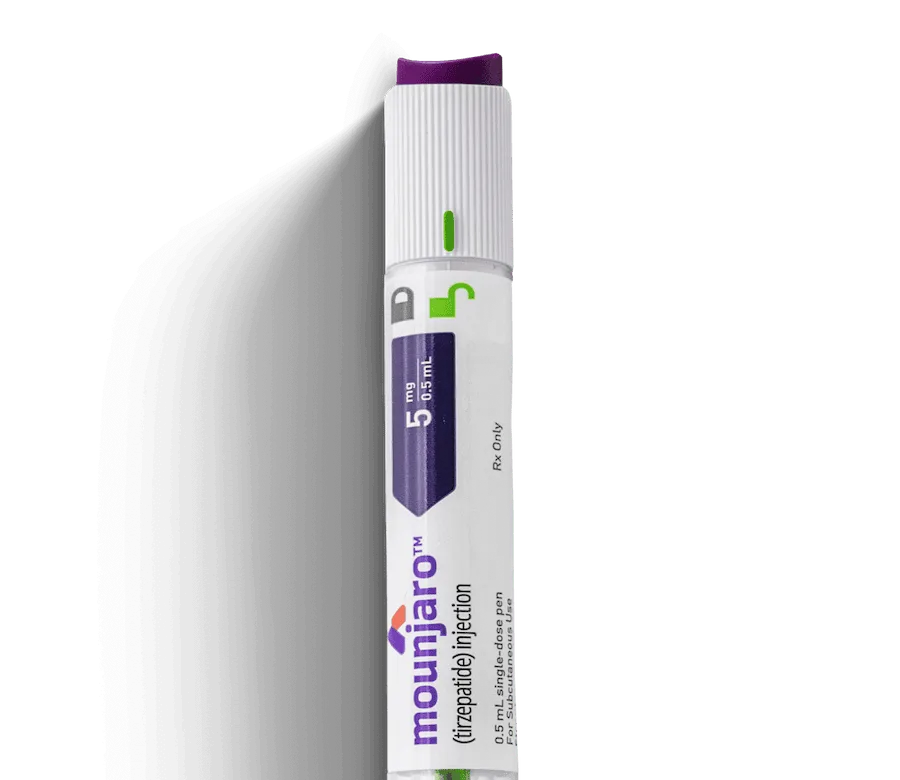
Mounjaro®
Liraglutide
💡 Tip: Pair Brussels sprouts with chicken, fish, or beans and a little olive oil for a more filling, balanced meal.
Do Brussels sprouts help with nighttime cravings?
Possibly: There’s no research showing that Brussels sprouts specifically reduce nighttime cravings. But roasted or air-fried sprouts can be a satisfying alternative when you’re craving something savory or crunchy.
💡 Tip: Two cups of cooked Brussels sprouts with one teaspoon of olive oil contain about 150 calories, making them a nutrient-rich evening snack.
Do Brussels sprouts help reduce inflammation?
Possibly: Brussels sprouts contain vitamin C and plant compounds that may help protect cells from oxidative stress and support the body’s normal inflammatory response. However, human studies haven’t established that eating Brussels sprouts directly reduces inflammation.
Are Brussels sprouts beneficial for brain health?
Possibly: Brussels sprouts provide folate, vitamin K, and vitamin C, which play roles in normal brain and nervous system function. Diets rich in vegetables are associated with better cognitive health, but there’s no strong evidence that Brussels sprouts alone improve memory or prevent cognitive decline.
Can Brussels sprouts improve skin and hair health?
They can support both: Brussels sprouts are rich in vitamin C, which your body needs to produce collagen, a protein that helps maintain skin structure. They also provide small amounts of vitamin A, iron, and protein, which contribute to healthy skin and hair. However, eating Brussels sprouts won’t directly stimulate hair growth or reverse skin aging.
Can Brussels sprouts help balance hormones?
Limited evidence: Brussels sprouts contain glucosinolates, compounds found in cruciferous vegetables that researchers are studying for their potential effects on estrogen metabolism. However, there’s no convincing evidence that eating Brussels sprouts changes hormone levels or treats hormonal imbalances.
💡 Tip: If you have a thyroid condition, normal portions of cooked Brussels sprouts are generally fine. Cooking reduces the activity of compounds that can interfere with iodine use, but regularly eating very large amounts
🍽️ Best ways to eat Brussels sprouts for weight loss
Brussels sprouts are versatile, and you don’t need to eat them plain to enjoy their benefits. The key is choosing cooking methods and seasonings that bring out their flavor without adding too many extra calories.
- Roast them with a little olive oil. Halve Brussels sprouts, toss with about 1 teaspoon of olive oil per cup, and roast cut-side down at 425°F for 20 to 25 minutes. You’ll get crispy, caramelized edges while keeping the calories relatively low.
- Try air frying for extra crispiness. Toss halved sprouts with a small amount of olive oil and your favorite seasonings, then air fry at 375°F for about 10 to 15 minutes, shaking halfway through. It’s an easy way to get a crispy texture without deep-frying.
- Add flavor with spices, citrus, and vinegar. Garlic, smoked paprika, chili flakes, lemon juice, and balsamic vinegar can add plenty of flavor for few calories. Gochujang and chili crisp are also delicious options, but check portions since they can contain added sugar or oil.
- Steam them for a simple side dish. Steam Brussels sprouts for about 5 to 7 minutes, depending on their size, until tender-crisp. Steaming also helps preserve water-soluble nutrients like vitamin C that can be lost during boiling.
- Shave them into salads. Thinly sliced raw Brussels sprouts add crunch and fiber to salads. Toss with lemon juice, Dijon mustard, and a little olive oil, or mix with other vegetables for a filling slaw.
🍏 Brussels sprouts vs. other vegetables
(Per 1 cup, cooked)
| Food | Calories | Carbs | Fiber | Protein |
|---|---|---|---|---|
| Brussels sprouts | 56 | 11 g | 4 g | 4 g |
| Broccoli | 55 | 11 g | 5 g | 4 g |
| Cauliflower | 29 | 5 g | 3 g | 2 g |
| Green cabbage | 35 | 8 g | 3 g | 2 g |
| Kale | 36 | 7 g | 3 g | 3 g |
| Spinach | 41 | 7 g | 4 g | 5 g |
Source: USDA FoodData Central. Values are for boiled and drained vegetables. Serving weights vary.
Brussels sprouts hold their own against other non-starchy vegetables. They provide more protein than cauliflower, cabbage, and kale, along with a good amount of fiber. Broccoli has slightly more fiber, while spinach leads in protein.
Cauliflower, cabbage, and kale are lower in calories and carbs, but all six vegetables can support weight loss. The best choice is the one you enjoy and will eat regularly. Rotating different vegetables also helps you get a wider variety of vitamins, minerals, and other beneficial nutrients.
How do your favorite Brussels sprouts dishes compare?
Brussels sprouts are naturally low in calories, but how you prepare them can make a big difference, especially if you’re trying to lose weight. Roasting and air frying bring out their natural sweetness and create crispy edges, but added oil, butter, bacon, and sweet glazes can quickly increase the calorie count.
That doesn’t mean you need to eat Brussels sprouts plain. A little olive oil and your favorite seasonings can make them delicious without adding too many calories. And even when they’re prepared with richer ingredients, Brussels sprouts still provide valuable fiber, vitamins, and minerals.
Here’s how the calories can change depending on preparation:
| Preparation | Estimated calories |
|---|---|
| Boiled, 1 cup cooked | 56 |
| Raw, 1 cup (about 88 g) | 38 |
| Air-fried with 1 teaspoon olive oil | About 80 |
| Roasted with 1 teaspoon olive oil | About 80 |
| Roasted with 1 teaspoon olive oil and 1 tablespoon maple syrup | About 130 |
| Roasted with 1 tablespoon olive oil | About 155 |
| Roasted with 1 teaspoon olive oil and 2 slices of bacon | About 160–180 |
| Deep-fried Brussels sprouts | About 200–300 |
| Restaurant-style side with oil, bacon, and glaze | Varies widely |
Roasted and air-fried estimates are based on 1 cup of raw Brussels sprouts (about 88 grams) plus the listed ingredients. Deep-fried estimates assume approximately 1½–2 tablespoons of absorbed oil. Restaurant portions and recipes vary considerably.
The takeaway: You don’t have to give up crispy, flavorful Brussels sprouts to manage your weight. Measuring oil and being mindful of toppings can help you enjoy them while keeping calories in a range that works for your goals.
Frequently asked questions about Brussels sprouts and weight loss
How many Brussels sprouts should I eat in a day?
There’s no magic number, but a cup of cooked Brussels sprouts is a great place to start. You’ll get about 4 grams of fiber for just 56 calories. If you’re not used to eating a lot of fiber, try half a cup first and work your way up.
Why do Brussels sprouts cause gas?
Brussels sprouts contain fiber and certain carbs that your gut bacteria break down, releasing gas along the way. That’s why a big serving can leave you feeling bloated, especially if you have a sensitive stomach or IBS.
💡 Tip: Start with a smaller portion and try cooking your sprouts until tender. You can gradually eat more as your body adjusts.
Can you eat Brussels sprouts every day?
Absolutely! If you enjoy them and they agree with your stomach, there’s no reason you can’t eat Brussels sprouts every day. They’re packed with fiber, vitamins, and minerals. Just aim for variety, too, so you’re getting nutrients from different vegetables. If you take warfarin, keep your vitamin K intake consistent.
Are frozen Brussels sprouts healthy?
Definitely! Frozen Brussels sprouts are just as nutritious as fresh ones in many respects, and they’re often cheaper and easier to keep on hand. Look for plain frozen sprouts so you can control how much oil, salt, or sauce you add.
Are Brussels sprouts bad for your thyroid?
No, not for most people. Like cabbage, broccoli, and other cruciferous vegetables, Brussels sprouts contain compounds called goitrogens that can interfere with how your thyroid uses iodine. But this is mainly a concern when you’re eating very large amounts of raw cruciferous vegetables, particularly if you’re not getting enough iodine.
Cooking reduces the activity of these compounds, so there’s generally no reason to avoid Brussels sprouts, even if you have a thyroid condition. If you take thyroid medication, follow your clinician’s guidance about when to take it in relation to meals.
🧠 The bottom line: Brussels sprouts can be great for weight loss
Brussels sprouts are a great addition to a weight-loss plan. They’re low in calories, rich in fiber, and packed with vitamins and minerals that support overall health. They can help you feel satisfied without adding a lot of calories to your meals.
How you prepare them matters, though. Roasting them with a little olive oil keeps them relatively low in calories, while generous amounts of oil, bacon, or sugary glazes can turn them into a much higher-calorie side dish. But that doesn’t mean you need to skip your favorite preparations. At Noom, we believe all foods can fit into a balanced diet. Enjoy Brussels sprouts the way you like them, be mindful of portions and toppings, and focus on building healthy habits you can stick with over time.
Noom’s Most Powerful Program
A dual-pathway GLP-1 and behavior change for lasting results.
📖 Scientific evidence
- Eating more non-starchy vegetables is linked to less weight gain. (PLoS Medicine, 2015) Researchers followed more than 133,000 adults for up to 24 years and found that eating more fruits and vegetables was associated with less weight gain over time. Higher-fiber, non-starchy vegetables showed particularly favorable results, supporting the benefits of including foods like Brussels sprouts in a balanced diet.
- How you cook Brussels sprouts affects their nutrient content. (Molecules, 2022) Researchers compared boiling, steaming, and sous-vide cooking and found that boiling caused greater losses of certain nutrients, including minerals and fiber. Steaming and sous-vide cooking preserved more of these nutrients, showing that cooking method can affect nutritional value, even though Brussels sprouts remain nutritious when boiled.
- Eating more fiber may help with weight loss. (The Journal of Nutrition, 2019) In a study of 345 adults following calorie-restricted diets, fiber intake was one of the strongest predictors of weight loss over six months. People who increased their fiber intake also tended to stick more closely to their eating plans, suggesting that fiber-rich foods like Brussels sprouts may make weight management easier.
- Eating more water-rich vegetables can help you feel full while losing weight. (The American Journal of Clinical Nutrition, 2007) In a one-year study of 97 women with obesity, those who added more fruits and vegetables to a reduced-fat diet lost about 17 pounds, compared with about 14 pounds in the comparison group. They also reported feeling less hungry, showing how lower-calorie, high-volume foods can support weight loss.
- Eating more cruciferous vegetables may support heart health. (International Journal of Epidemiology, 2017) A review of 95 studies found that people who ate more fruits and vegetables generally had a lower risk of cardiovascular disease and early death. Cruciferous vegetables, including Brussels sprouts, broccoli, and cabbage, were among the types associated with these benefits.
- Brussels sprouts may help protect cells from oxidative damage. (Molecular Nutrition & Food Research, 2008) In a small study, eight participants ate 300 grams of Brussels sprouts daily. Researchers found improvements in laboratory markers of DNA damage, suggesting that compounds in Brussels sprouts may help protect cells from oxidative stress. Larger studies are needed to understand whether these effects translate into long-term health benefits.
Editorial standards
At Noom, we’re committed to providing health information that’s grounded in reliable science and expert review. Our content is created with the support of qualified professionals and based on well-established research from trusted medical and scientific organizations. Learn more about the experts behind our content on our Health Expert Team page.