
What you’ll learn:
- Zepbound® starts reducing appetite within days, but meaningful weight loss typically builds gradually over several weeks as your dose increases and your body adapts.
- Managing side effects and finding the right dose for your body are important for getting the best Zepbound results and for long-term success.
- Combining Zepbound® with healthy habits and behavioral support leads to better and more sustainable weight loss than medication alone.
GLP-1 medications have changed the way people think about weight loss, and Zepbound® has quickly become one of the most talked-about options in that shift. Over time, people can lose 21% of their body weight on average, but losing that much weight takes time.
For many people considering it, they want to know how weight loss actually unfolds over time. Common questions are: Does anything happen in the first few weeks? When does the scale start to move? And how different does it feel from one month to the next?
Here’s the thing: Zepbound® isn’t designed to deliver instant results; it’s a step-by-step process where you and your clinician work together to find the dose that balances meaningful weight loss with tolerability. Along the way, changes to eating habits, activity, and daily routines play a key role in shaping your results.
Zepbound® contains tirzepatide, which helps lower appetite, slow digestion, and regulate blood sugar control. It’s taken as a once-weekly injection, with doses that increase gradually—usually every four weeks—to help your body adjust and reduce side effects. That gradual buildup is part of the design. Weight loss with Zepbound® builds over time, with the higher percentages occurring at the higher doses.
What does that actually look like week to week, and when can a person expect to see real changes?
Noom’s Most Powerful Program
A dual-pathway GLP-1 and behavior change for lasting results.
Let’s walk through how weight loss with Zepbound® unfolds over time, including when results often become more noticeable, how different dose levels can shape your experience, and how you can change your habits to get the best results.
How does Zepbound® work for weight loss?
Zepbound® (tirzepatide) mimics two natural hormones your body already produces—GLP-1 and GIP to lower appetite, slow your digestion, and regulate blood sugar. Together, these two signals work in tandem to help people eat less and lose weight over time.
The practical result? You feel satisfied sooner during meals, you think about food less between meals, and you naturally eat smaller portions.
But here’s the important expectation to set early: Your appetite will likely shift within the first one to two weeks, but visible weight loss takes longer. That’s because your body needs time to respond to eating less. As you progress through the dosing schedule and reach higher doses, these appetite changes intensify, and the weight loss follows a gradual but steady trajectory over months, not days.
Zepbound®: How you take it and how the doses increase
One reason weight loss takes time with Zepbound® is that it’s designed with step-up dosing. The slow dosing schedule, also called titration, is designed to keep side effects to a minimum while your body adjusts to the medication.
You’ll start at the lowest dose (2.5 mg) and work your way up to the dose that works best for you. That might not be the highest dose (15 mg). You and your clinician will find the dose that helps you lose steady weight, while keeping side effects to a minimum.
Zepbound® dosing schedule explained
Each dose increase happens roughly every four weeks, which gives your digestive system time to adapt. That means it can take five months or longer before you reach the higher doses where the most significant weight loss occurs. You can slow down at any point or even step backward if any dose gives you side effects that don’t resolve.
Here’s what a standard dosing schedule looks like with Zepbound:
| Weeks | Dose | What to Expect |
|---|---|---|
| 1-4 | 2.5 mg | Starting dose. Your body begins adjusting. Appetite changes may start. |
| 5-8 | 5 mg | First increase. Weight loss may become noticeable for some. |
| 9-12 | 7.5 mg | Continued escalation if the previous dose was well-tolerated. |
| 13-16 | 10 mg | Appetite-suppressing effects often become stronger. |
| 17-20 | 12.5 mg | Further increase for those who tolerate it and need it. |
| 21+ | 15 mg | Maximum dose. Not everyone reaches this—and that’s perfectly fine. |
For a deeper dive into each dose level and what to expect, see our complete Zepbound® dosage guide.
Why the slow buildup is actually working in your favor
Access GLP-1 Weight Loss with Noom
Explore a wide range of prescription medications supported by Noom’s program.
Microdose GLP-1rx
Noom GLP-1rx
Noom GLP-1rx Plus
Wegovy®
Ozempic®
Metformin
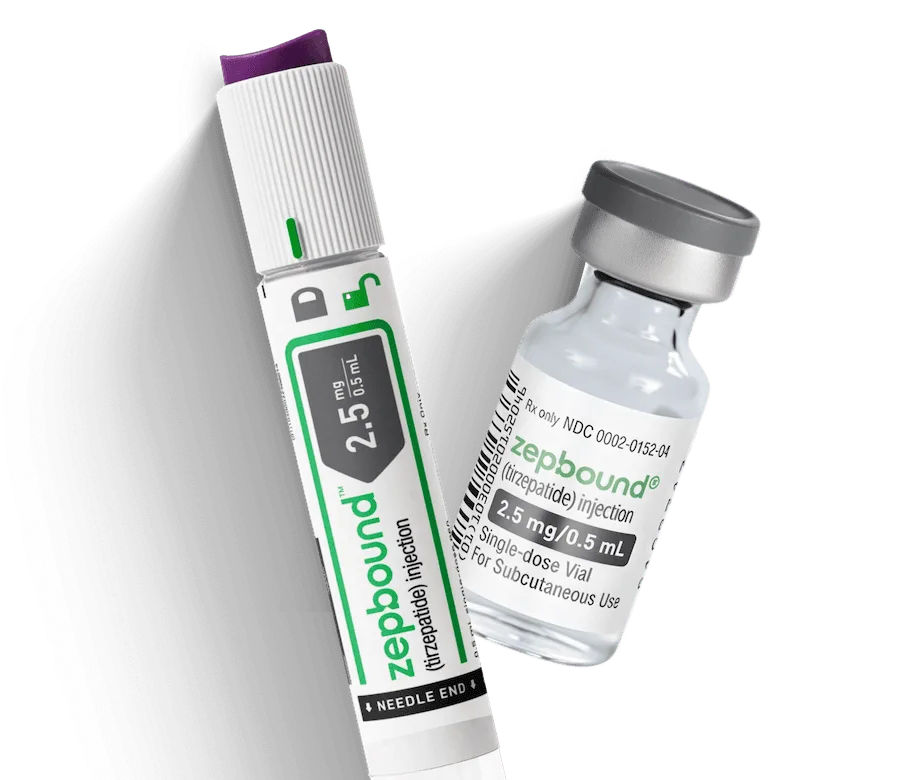
Zepbound®
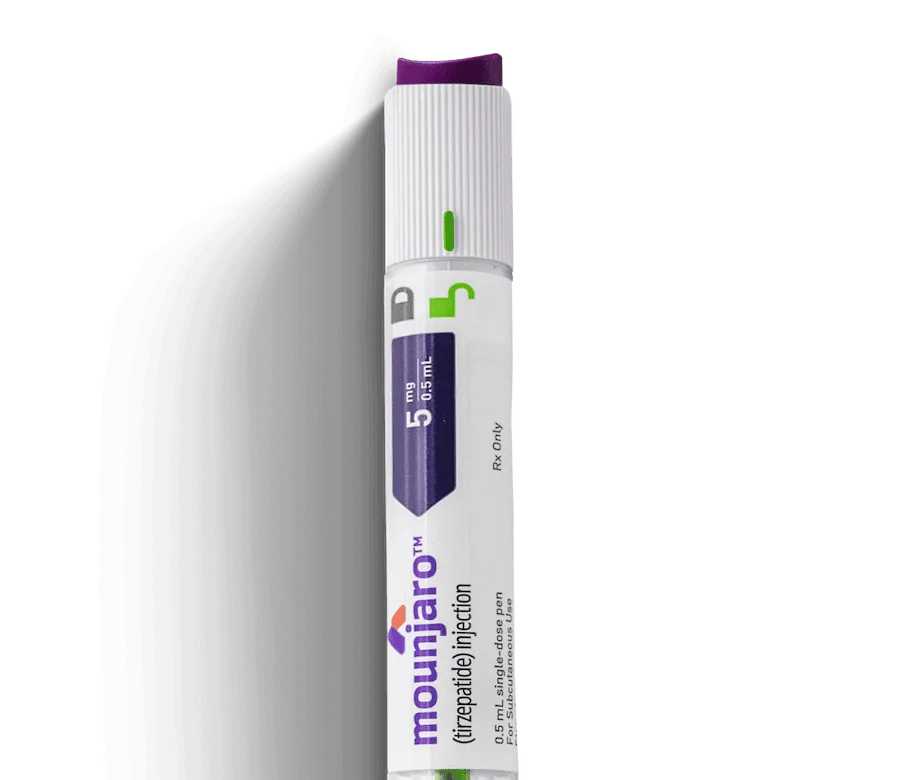
Mounjaro®
Liraglutide
It’s tempting to want to jump ahead, but the gradual titration is standard for good reason. Ramping up too quickly tends to trigger more side effects like nausea, diarrhea, vomiting, and stomach pain—the most commonly reported GI side effects with tirzepatide.
When those side effects are manageable, you’re far more likely to stay consistent with your weekly injections, and consistency is the single biggest predictor of long-term success.
Your healthcare team is looking for your optimal dose, the dose where you’re losing steady weight, with the fewest side effects.
How your dose affects how much weight you lose
There’s a clear relationship between dose and results with Zepbound®—but it’s more nuanced than “bigger dose equals more weight loss.”
In research, weight loss generally increases as the dose goes up. In one 72-week study, people lost more weight at higher doses. Here’s what average weight loss looked like per dose:
- 5 mg: 15%
- 10 mg: 19.5%
- 15 mg: 21%
So yes—dose plays a role. But it’s not the whole story.
Not everyone can tolerate the highest dose, and that’s a normal part of the process. Side effects like nausea, vomiting, or diarrhea can limit how high you go, and pushing through them isn’t the goal.
You don’t have to max out your dose to see meaningful results. In another study, people stayed at the highest dose they could comfortably tolerate—often 10 or 15 mg, but sometimes lower—and still lost a meaningful amount of weight.
What this really points to is something simpler: the “right” dose isn’t the highest one—it’s the one you can stick with. If you’re eating less, feeling satisfied, and able to stay consistent, that’s what drives results over time.
What kind of weight loss is possible—and how long it takes
Zepbound® has produced some of the largest average weight-loss results seen with any weight loss medication. The process is gradual, with steady changes building over time, and the research suggests that how much lifestyle support you pair with the medication can make a significant difference.
With standard lifestyle support: SURMOUNT-1
SURMOUNT-1 was the first major phase 3 trial for Zepbound®, following more than 2,500 adults for 72 weeks alongside standard diet and exercise counseling. Average weight loss came in at about 15% to 21% of starting body weight depending on dose—roughly 35 to 48 pounds for someone starting at 230 pounds. Many participants continued losing weight for more than a year before results started to level off.
With intensive lifestyle support first: SURMOUNT-3
SURMOUNT-3 asked a different question: what happens when people build a strong behavioral foundation before starting the medication? Participants completed 12 weeks of intensive lifestyle intervention, then added tirzepatide for another 72 weeks. Average total weight loss over the full 84 weeks was about 26.6% of body weight—among the strongest results seen in a modern obesity treatment trial.
The takeaway isn’t that one approach is better, but that lifestyle habits and medication appear to work together: the more behavioral groundwork in place, the more the medication may be able to build on it.
Why your Zepbound results may look different
Clinical trials give averages—not guarantees. Your own results can vary based on things like:
- Your starting weight and overall health
- The dose you’re able to tolerate
- How consistently you take the medication
- Whether side effects affect eating or activity
- Your sleep, stress, movement, and nutrition habits
- Genetic variants
Some people lose more than the trial averages. Others lose weight more slowly but still see meaningful improvements in health, energy, blood sugar, or mobility. Both experiences are completely normal.
Noom’s Most Powerful Program
A dual-pathway GLP-1 and behavior change for lasting results.
Zepbound® results timeline: Month by month
If you’re starting Zepbound®, it helps to know that the early weeks are usually more about adjustment than dramatic weight loss. Most people notice changes in appetite first, while the number on the scale tends to shift more gradually over time.
Early on, you may feel full faster, snack less often, or notice that food isn’t taking up as much mental space. Those small changes can quietly reshape your eating habits before major weight loss becomes obvious. As your dose increases over the next several months, weight loss usually becomes more noticeable and consistent. Let’s take a look at what Zepbound® results actually look like over time:
Zepbound® first week results
During the first week, all people start on the lowest 2.5 mg dose, so the focus is mainly on helping the body adjust to the medication.
Common early changes can include:
- Feeling full sooner during meals
- Reduced appetite between meals
- Fewer cravings or less “food noise”
- Mild to moderate digestive side effects as the body adapts
Weight loss in the very beginning is usually small, and some people may not notice scale changes yet. That’s completely normal. The first month is designed more for tolerance-building than maximum weight loss.
Zepbound® results at 1 month
By the end of the first month, appetite changes often become easier to notice day to day, and eating patterns may start to feel more manageable.
At this stage:
- Weight loss is usually modest but steady, with studies showing weight loss results of a little less than 4% at one month
- The body is continuing to adapt to the medication
Clinical trials show that this early phase helps set the foundation for the larger weight-loss changes that tend to happen later as doses increase.
Zepbound® results at 3 months
Around the 3-month mark, progress often starts feeling more noticeable—though most people are still working through the dose escalation phase at this point. Tirzepatide starts at 2.5 mg and increases every 4 weeks, so it takes up to 20 weeks to reach a maintenance dose. Early results reflect that ramp-up, not the full therapeutic effect.
In SURMOUNT-1, most participants had lost around 6 to 8% of their body weight by week 12, with roughly 82% reaching at least 5% loss by that point.
Zepbound® results at 6 months
By 6 months, most people have reached or are close to their maintenance dose, and results become more substantial. In an analysis of SURMOUNT-1 data, average weight loss across all doses at week 24 was around 13 to 14% of body weight, with progress continuing to build from there.
That said, results aren’t always linear. Short plateaus become more common as body weight decreases and metabolism adjusts, which is a normal part of the process.
Read more: Zepbound® plateau: Why weight loss stalls happen and what to do next
Zepbound® results at 72 weeks
The most complete picture comes from the full 72-week SURMOUNT-1 trial. Here’s what average weight loss looked like by maintenance dose:
By this stage, the majority of participants had reached a weight plateau—meaning progress had leveled into a maintenance phase rather than continued active loss. This is expected and doesn’t mean the medication has stopped working. Lifestyle habits like regular movement, strength training, adequate protein, stress management, and consistent sleep all help support long-term results alongside the medication.
Learn more: Zepbound® plateau: Why weight loss stalls happen and what to do next
How side effects can affect your Zepbound® results
As your body adjusts to Zepbound®, it’s common to notice some temporary side effects, especially when first starting the medication or moving up to a higher dose. Because Zepbound® slows digestion and changes appetite signals, those shifts can sometimes feel noticeable while your body adapts.
The side effects themselves usually stay fairly similar throughout treatment, but they tend to be most common early on or shortly after titration to a higher dose.
The most commonly reported side effects include:
- Nausea
- Vomiting
- Diarrhea
- Constipation
- Abdominal pain
- Indigestion
Can side effects affect weight loss progress?
Side effects can influence weight loss in a couple of different ways, depending on how your body responds to the medication. If side effects become uncomfortable, they can sometimes affect how treatment progresses. For example:
- Your provider may increase your dose more slowly
- You may stay at a lower dose longer
- Dose increases could be postponed temporarily
- In some situations, treatment may need to pause while symptoms improve
This gradual dosing approach is intentional. Zepbound® is started at 2.5 mg weekly and increased slowly over time to help balance effectiveness with tolerability. Not everyone needs the highest 15 mg dose to see meaningful weight loss results.
Some research also suggests Zepbound® may be easier for certain people to tolerate compared to other GLP-1 medications. In clinical trials, vomiting, constipation, abdominal pain, and indigestion were reported less often with Zepbound® than with semaglutide medications like Wegovy®.
Learn more:
How to get the best results from Zepbound
A lot of success with Zepbound® comes down to consistency and giving your body time to adjust. The medication works gradually, and the habits you build alongside it can make a big difference in both your results and how you feel during the process.
- Take your injection on the same day each week. Staying consistent helps keep appetite control and blood sugar effects steady from week to week.
- Follow the dose-escalation plan carefully. Zepbound® starts at 2.5 mg and gradually increases over time so your body can adapt more comfortably. Moving up too quickly can increase nausea, stomach discomfort, and other GI side effects. Be honest with your provider when assessing side effect intensity and how you feel.
- Don’t aim for the highest dose. The “best” dose is the one you can tolerate consistently. Many people still see strong results at lower doses.
- Know what to do if you miss a dose. If it’s been less than 4 days (96 hours), take the missed dose as soon as possible. If more than 4 days have passed, skip the missed dose and continue with your next scheduled injection.
- Help your body manage side effects. Smaller meals, eating slowly, staying hydrated, and avoiding very greasy or heavy foods can make the adjustment period feel much smoother.
How to maximize weight loss on Zepbound®: Lifestyle habits matter too
Zepbound® can significantly reduce appetite, but your day-to-day habits still shape how much progress you see over time. Research consistently shows that combining GLP-1 medications with lifestyle support leads to better long-term outcomes than medication alone.
- Prioritize protein at meals. Protein helps preserve lean muscle during weight loss, keeps you fuller longer, and may help reduce nausea for some people. Foods like chicken, fish, eggs, low-fat Greek yogurt, tofu, and beans are good options.
- Eat smaller portions more frequently if needed. Because Zepbound® slows digestion, large meals can sometimes feel uncomfortable. Smaller meals are often easier to tolerate and can support weight loss.
- Stay hydrated throughout the day. Dehydration can make side effects like dizziness, constipation, and fatigue feel worse. Staying sufficiently hydrated has also been shown to support weight loss in studies.
- Add resistance training when possible. Strength training helps preserve muscle mass while losing weight and supports long-term metabolic health.
- Aim for regular movement instead of perfection. Walking, biking, swimming, or any physical activity you enjoy can help support steady progress. Even short daily walks add up over time.
- Protect your sleep routine. Sleep affects hunger hormones, cravings, energy levels, and recovery. Consistent sleep habits can make weight management easier overall.
- Manage stress where you can. Chronic stress can influence appetite, energy, and eating habits. Simple stress management strategies like journaling, stretching, meditation, or taking breaks during the day can help keep things more balanced.
- Use the medication as part of a long-term plan. The people who tend to maintain results long-term are usually the ones who use the appetite-control window to build sustainable habits around food, movement, and daily routines.
Does it matter where you inject Zepbound® for weight loss results?
Short answer: no. Zepbound® can be injected in the abdomen, thigh, or upper arm, and per FDA labeling, the injection site doesn’t affect absorption or weight loss outcomes. Just rotate your sites weekly to prevent lipohypertrophy (localized fat buildup that can form with repeated injections in the same spot).
For tips on proper technique with both pens and vials, see our Zepbound® injection sites guide.
Why Zepbound® results vary from person to person
Zepbound® doesn’t affect everyone in exactly the same way. Even when two people take the same medication, their results can look very different based on how their body responds, how their dose progresses, and the habits they build alongside treatment.
Why Zepbound® works differently for everyone
A few key factors can shape how much weight you lose and how quickly progress happens:
- Dose progression: Higher tolerated doses are generally linked to greater weight loss, but not everyone can comfortably reach the maximum dose. Many people still see strong results at lower doses.
- Side effect tolerance: Nausea, vomiting, or stomach discomfort can sometimes slow dose increases or require staying at a lower dose longer, which may affect the pace of weight loss.
- Consistency with treatment: Taking Zepbound® regularly and staying on schedule tends to produce steadier results than frequently stopping and restarting the medication.
- Starting weight and overall health: Your starting BMI, metabolic health, and whether you have conditions like type 2 diabetes can influence how your body responds to tirzepatide. In clinical trials, people without diabetes often lost slightly more weight on average than those managing diabetes.
- Past weight loss history: Your previous weight loss history can also impact weight loss. Years of restrictive dieting or repeated weight cycling can affect metabolism, appetite regulation, and how your body responds to weight-loss treatment.
- Lifestyle habits: Sleep, stress, movement, and nutrition all play a role. Research consistently shows that people who combine Zepbound® with exercise, higher protein intake, and structured lifestyle support tend to see better long-term results.
- Genetics and metabolism: Your biology matters too. Factors like hormone patterns, metabolism, and genetic differences can all influence appetite, energy use, and medication response. Even people with similar starting weights may experience very different timelines and outcomes.
Because of these differences, it’s completely normal for progress to vary from person to person. Your results don’t have to look exactly like someone else’s to still be meaningful and successful.
Zepbound® vs. Wegovy®: The difference in weight loss results
Both Zepbound® and Wegovy® can lead to substantial weight loss, especially when paired with lifestyle changes like higher protein intake, increased activity, and long-term habit changes. But until recently, most comparisons between the two medications came from separate clinical trials, which makes direct comparisons tricky because the studies used different groups of people and different designs.
Then, SURMOUNT-5 was the first major head-to-head trial comparing tirzepatide (Zepbound®) directly against semaglutide (Wegovy®).
After 72 weeks:
- People taking Zepbound® lost an average of 20.2%
- People taking Wegovy® lost an average of 13.7%
The study also found:
- Nearly 65% of people on Zepbound® lost at least 15% of their body weight
- Compared to about 40% of people taking Wegovy®
That said, averages don’t tell the whole story. Individual response to GLP-1 medications can vary quite a bit. Some people lose a large amount of weight on Wegovy®, while others respond better to Zepbound®. Factors like side effects, dose tolerance, consistency, activity level, protein intake, sleep, underlying health conditions, and even genetics can all influence results. The “best” medication is often the one that a person tolerates well enough to stay on consistently long term.
Read more: Wegovy results: Week-by-week weight loss potential
Frequently asked questions about Zepbound® results
How long does it take to lose 25 pounds on Zepbound®?
It depends on your starting weight and dose, but based on trial data, 25 pounds is a realistic milestone for many people somewhere in the 3 to 6 month range. In SURMOUNT-1, a person starting at 250 pounds could expect to lose roughly 38 to 52 pounds over 72 weeks, depending on dose—meaning 25 pounds would typically fall well before the trial’s endpoint. That said, individual results vary, and progress during the early months reflects dose escalation, not full therapeutic effect.
Can you lose 70 pounds on Zepbound®?
For some people, yes—though it depends on starting weight. In SURMOUNT-1, participants on the 15 mg dose lost an average of about 21% of their body weight over 72 weeks. For someone starting at around 335 pounds or more, that would translate to 70 pounds or greater. Results vary significantly between individuals, and factors like dose, consistency, and lifestyle habits all play a role.
Which body part loses fat first on Zepbound®?
Zepbound® doesn’t target specific body parts—where you lose fat first is largely determined by your individual genetics, hormones, and body composition, not the medication. What the research does show is that visceral fat—the metabolically active fat stored around the organs—is reduced substantially. In one study, visceral fat mass decreased by about 40% with tirzepatide. This type of fat loss may not be immediately visible but carries significant health benefits.
Will Zepbound® make me lose muscle?
Some muscle loss can happen during major weight loss on Zepbound—that’s true with almost any significant calorie deficit, whether it comes from medication, dieting, or both. But the research on tirzepatide is actually fairly encouraging. A review of clinical trials found that people taking tirzepatide tended to lose a large amount of body fat while preserving a good amount of their lean mass, and some markers of muscle quality even stayed stable or improved.
That doesn’t mean muscle loss can’t happen, though. In the SURMOUNT-1 trial, about 26% of the total weight people lost came from lean mass. That’s generally lower than what’s often seen with rapid weight loss or some other weight loss medications, but it’s still something worth paying attention to—especially if appetite gets so low that protein intake and strength training start slipping.
The good news is there are practical ways to help protect muscle while losing weight on Zepbound. Eating enough protein and doing some form of resistance training—whether that’s weight lifting, resistance bands, Pilates, or bodyweight exercises—are the two strategies with the strongest evidence behind them.
How many months does it take to lose 50 pounds on Zepbound®?
Based on trial data, losing 50 pounds typically takes most people somewhere between 9 and 17 months, depending on starting weight and dose. The average loss rate on tirzepatide is around 1 to 2 pounds per week, meaning 50 pounds would generally take 6 to 12 months for many people—though progress slows as body weight decreases. The clearest benchmark comes from SURMOUNT-1: participants starting around 250 pounds lost an average of 49 to 52 pounds on the 10 and 15 mg doses by the end of the 72-week study.
Reviews from real Noom users
“My favorite parts of Noom are the care team and other Noomers. Sharing and getting help made me feel like I wasn’t doing it alone. That support made all the difference.”
Desirea N. — Real Noom user
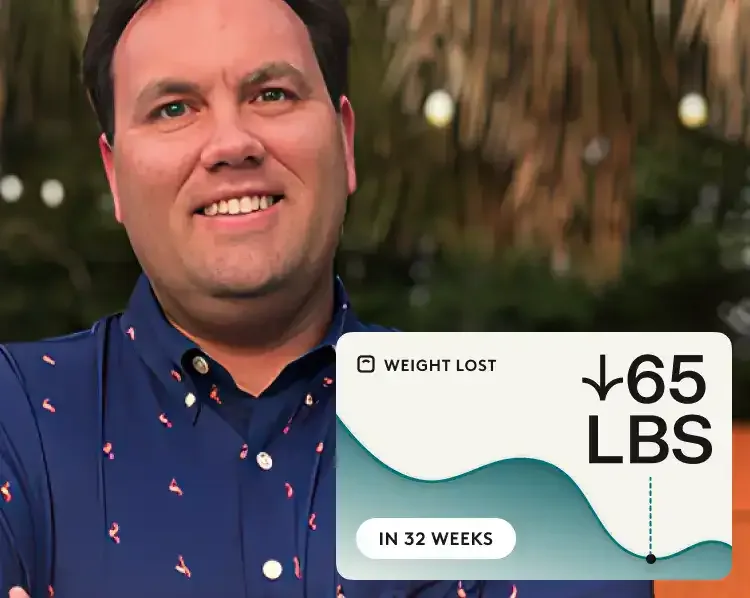
“Noom has taught me that every day is a new chance to make better, healthier choices. It’s taught me how to stop overeating.”
Matthew M. — Real Noom user
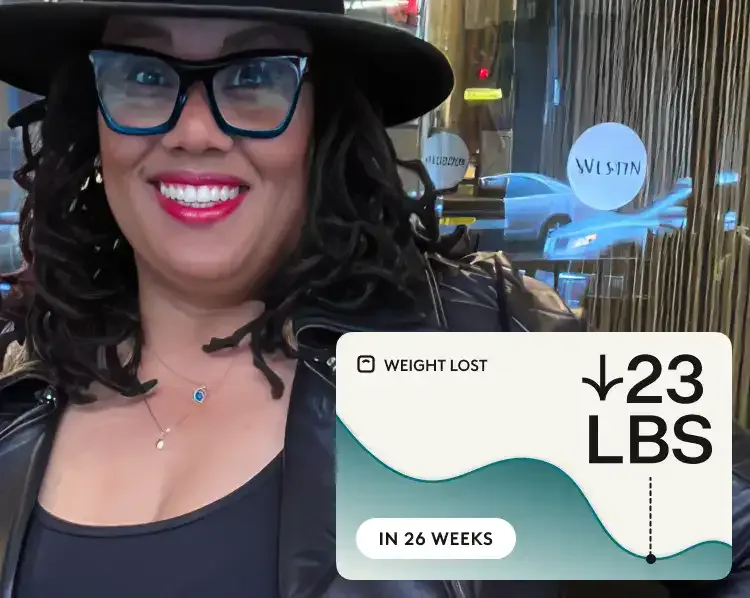
“Clinicians who understand how supportive medication can be is one of the best parts of Noom! I was convinced I wouldn’t have success but I’m down 11 pounds in two months.”
Lila M. — Real Noom user
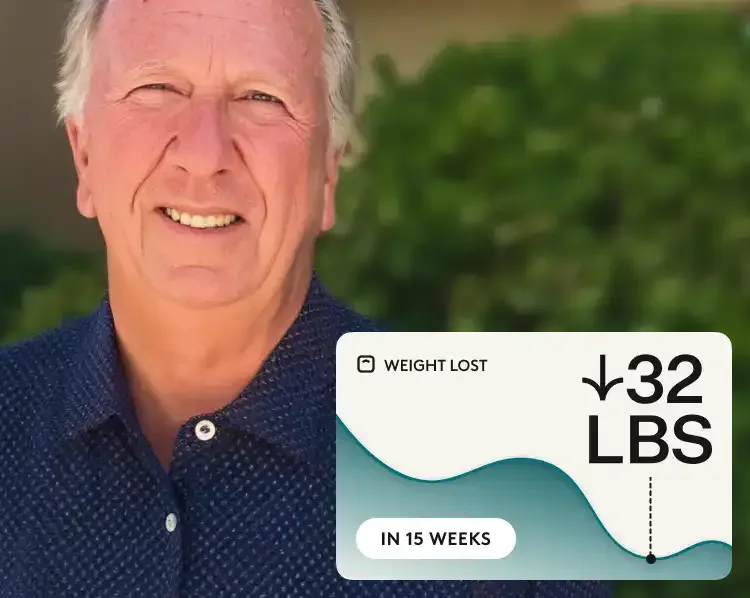
“Noom provided me with the medication which I could not get through Medicare. I have learned the tricks to better eating and life in general.”
Steve M. – Real Noom user
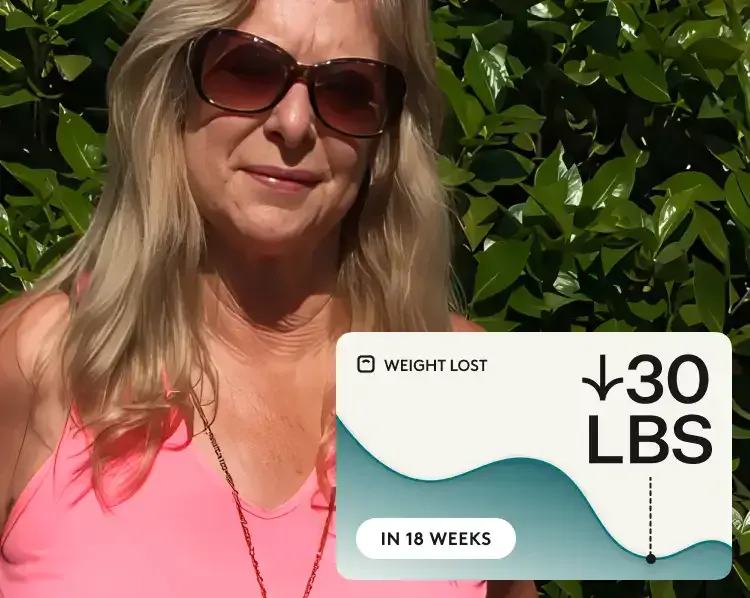
“Noom has changed my life and I’m so thankful, I feel great, have more energy and am no longer prediabetic.”
Daisy R. – Real Noom user
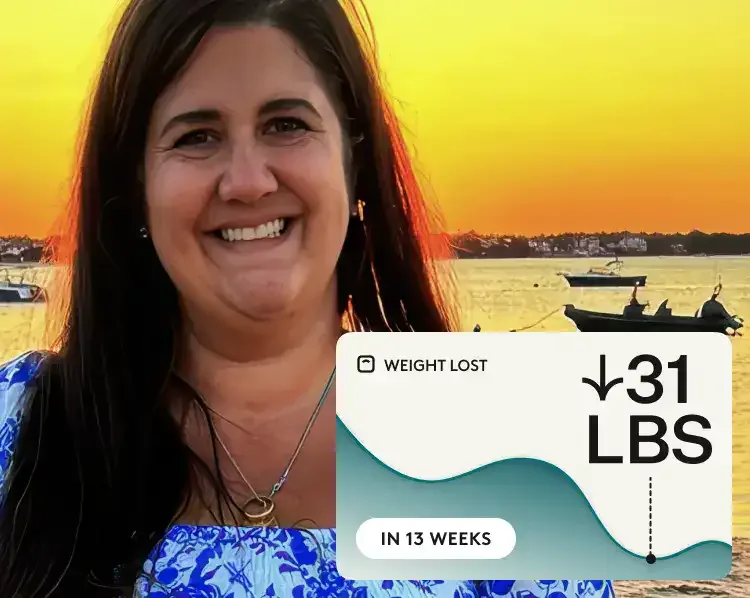
“All of the Noom providers that I’ve met with have been exceptional and prescribed medications that are appropriate for my situation and health.”
Sarah R. – Real Noom user
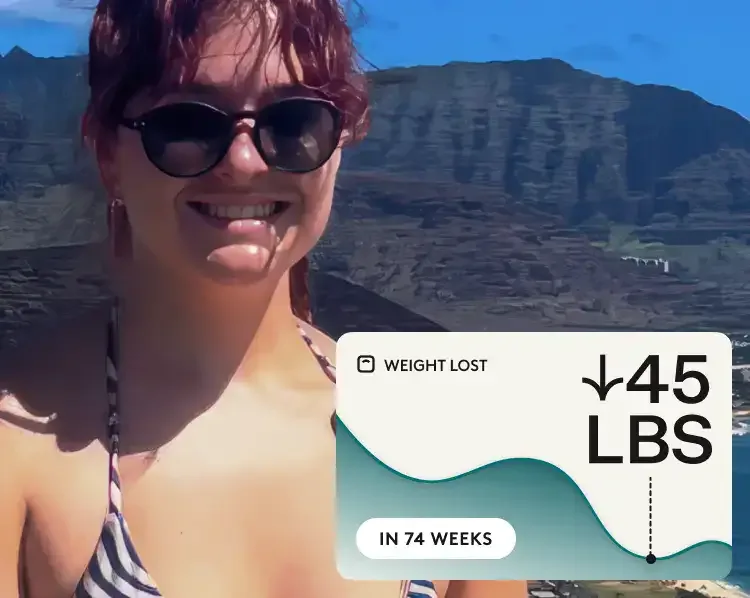
“Noom made the process so simple and now I feel full, free from diet obsession, and at ease in my body again.”
Madison S. – Real Noom user
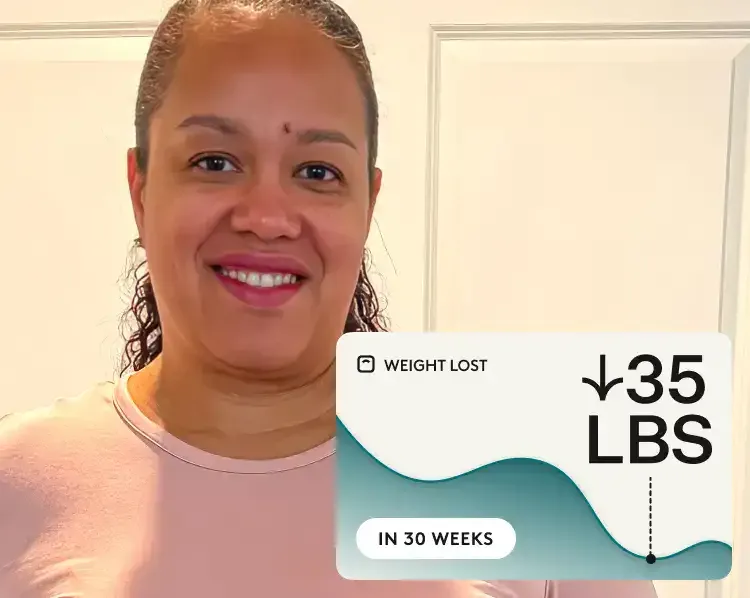
“My doctor recommended Noom after I was frustrated trying to lose weight. The lessons helped change my relationship with food. My body feels lighter & energized.”
Sonday K. – Real Noom user
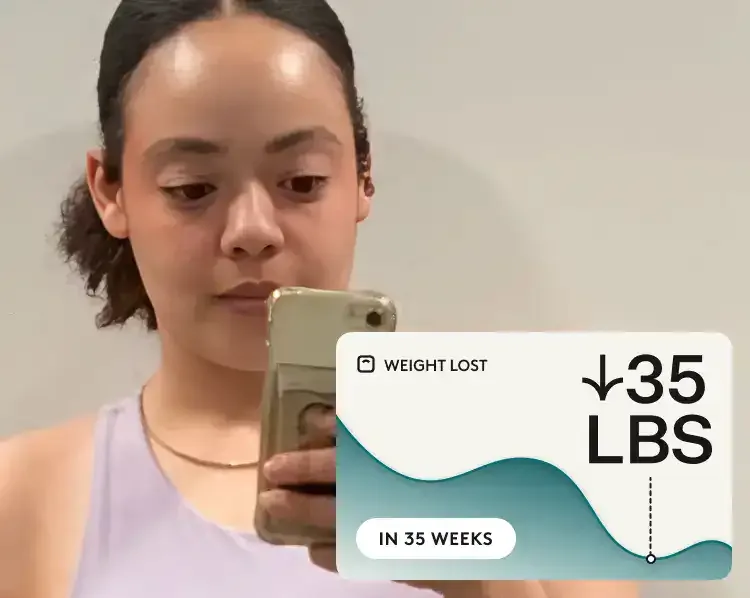
“I built healthy habits with coaching and lessons that make me confident I can maintain my weight loss long term.”
Cam K. – Real Noom user
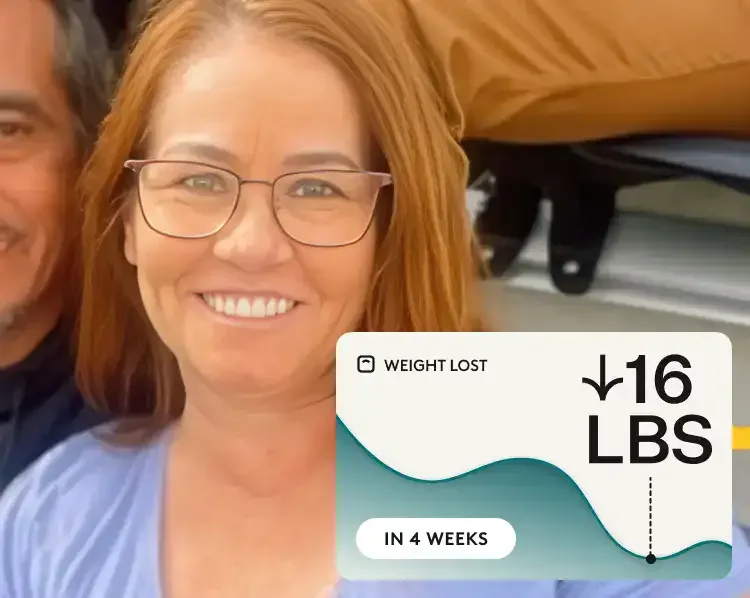
“With the right medication through Noom, hunger and sugar cravings finally quieted and I have the tools to break the cycle.”
Laura TR. – Real Noom user
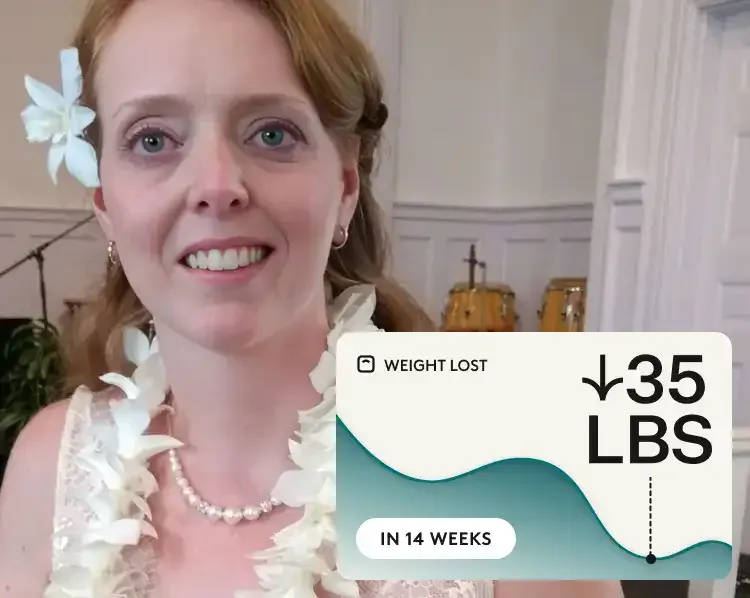
“Cravings and food noise are gone, I finally feel confident in the healthy habits I’ve built to last with Noom.”
Jessica S. – Real Noom user
The bottom line: Zepbound® results take time and build with dose increases and healthy habits
Zepbound® delivers real, clinically significant weight loss—but it’s a gradual process, not an overnight transformation. Appetite changes start within days, noticeable weight loss typically emerges around weeks 4 to 8, and the most substantial results develop over 6 to 12 months as you work through the dosing schedule.
The most successful approach combines consistent medication use with smart nutritional choices, regular physical activity, and ongoing support from your care team. Clinical evidence makes it clear: medication plus structured lifestyle support outperforms medication alone.
Your results will be your own. They’ll depend on your dose tolerance, your habits, your starting point, and the support system you build around your treatment. But if you stay patient, stay consistent, and stay engaged with the process, the data says the odds are strongly in your favor.
If you’re considering whether prescription support might be right for you, see if you qualify for Noom Med. The program pairs clinician-guided medication access when clinically appropriate—including Zepbound® —with psychology-based habit change to help you get the most from your treatment.
Already have a prescription? Noom’s GLP-1 Companion provides protein tracking, Muscle Defense™ workouts, and side-effect management tools designed to complement your medication.
For a breakdown of what treatment costs look like, see our guides on Zepbound® cost with and without insurance and the latest Zepbound® pricing for 2026.
Editorial standards
At Noom, we’re committed to providing health information that’s grounded in reliable science and expert review. Our content is created with the support of qualified professionals and based on well-established research from trusted medical and scientific organizations. Learn more about the experts behind our content on our Health Expert Team page.