GLP-1 medications have transformed obesity treatment. But their long-term impact may depend on what happens alongside the medication, and what happens after it stops.
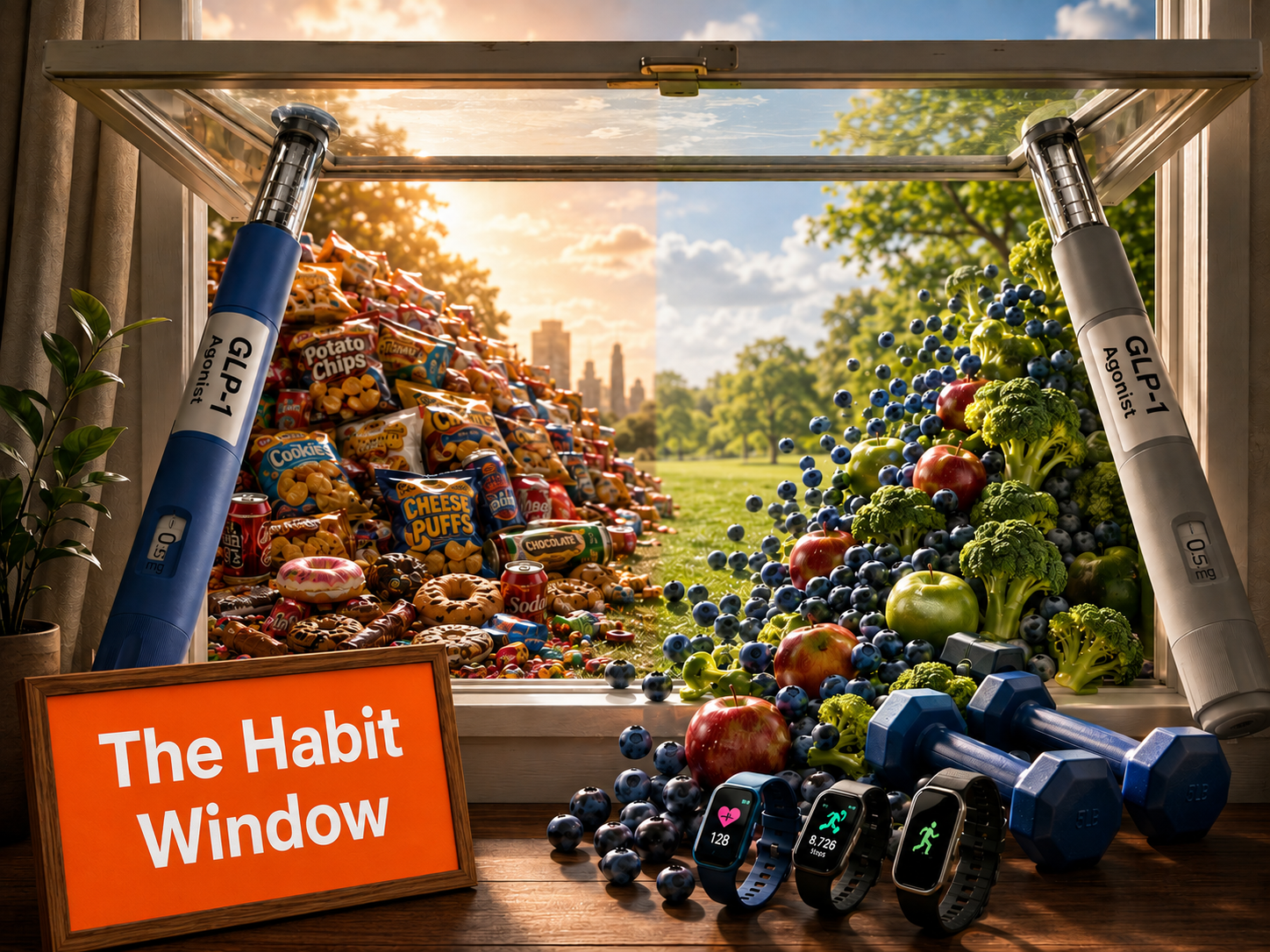
In a new peer-reviewed Viewpoint in the Journal of Medical Internet Research, I argue that GLP-1s may open what I call a “habit window”: a pharmacologically enabled period when reduced appetite and food noise make it easier to build healthier routines.
The challenge is clear. While GLP-1s can produce substantial weight loss, real-world persistence remains low: one analysis found only 8% of patients remained on therapy at three years. After treatment ends, weight can also return quickly. A 2026 meta-analysis estimated that patients discontinuing semaglutide or tirzepatide returned to baseline weight in roughly 18 months, with regain occurring four times faster than after behavioral weight-management programs.
The Habit Window Hypothesis: How GLP-1s may make behavior change easier
The hypothesis starts with food noise: persistent, unwanted thoughts about food.
In one survey of 550 semaglutide users, constant food-related thoughts declined from 62% before treatment to 16% after starting medication. Reducing that cognitive burden may free up attention and self-control, making healthy choices feel more achievable.

The Easy Way
to lose weight and get healthy.
Starting GLP-1 therapy may also act as a “fresh start”: a meaningful transition that increases motivation to pursue new goals. Put together, less food noise, greater self-efficacy and a fresh-start mindset may create a privileged period for forming habits that can eventually become more automatic.
In this telling, digital behavior change support is not an optional add on to GLP-1 therapy; it is a structural complement. The objective becomes building healthy behaviors while the habit window is pharmacologically open.
How the GLP-1 Companion program can help
That is where a GLP-1 companion comes in.
The Noom GLP-1 Companion pairs medication with behavioral support designed to help people stay on treatment, manage side effects and build habits that support longer-term weight management.
The paper maps how two well-validated theories of behavior change, Social Cognitive Theory and Behavioral Economics, can be leveraged to drive medication persistence, side-effect mitigation and durable weight loss. While the habit window is a hypothesis, the features suggested in the paper are not theoretical.
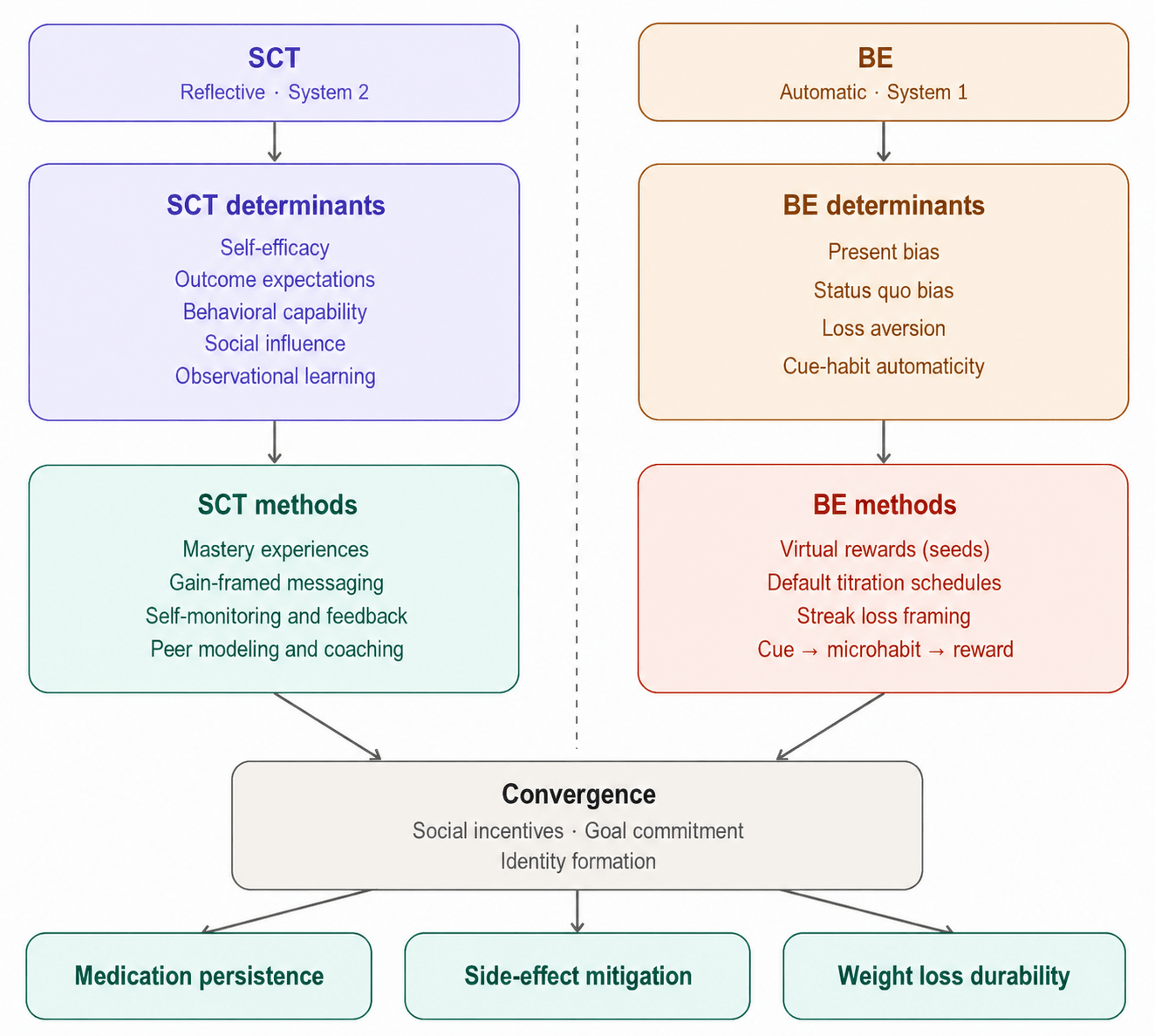
In fact, these features are part of the Noom app today. This is exactly how we have built Noom’s GLP-1 Companion: guided by scientific evidence and empirically grounded theories to take advantage of fast and slow thinking, System 1 and System 2.
How GLP-1 companion behavior and digital support work
That GLP-1 companion behavior infrastructure can include self-monitoring, goal setting, coaching, prompts, peer support, immediate reinforcement, resistance training and nutrition support, and cue, routine and reward habit planning. The paper maps these forms of GLP-1 digital support to three core challenges: helping people stay on treatment, manage side effects and build more durable weight loss behaviors.
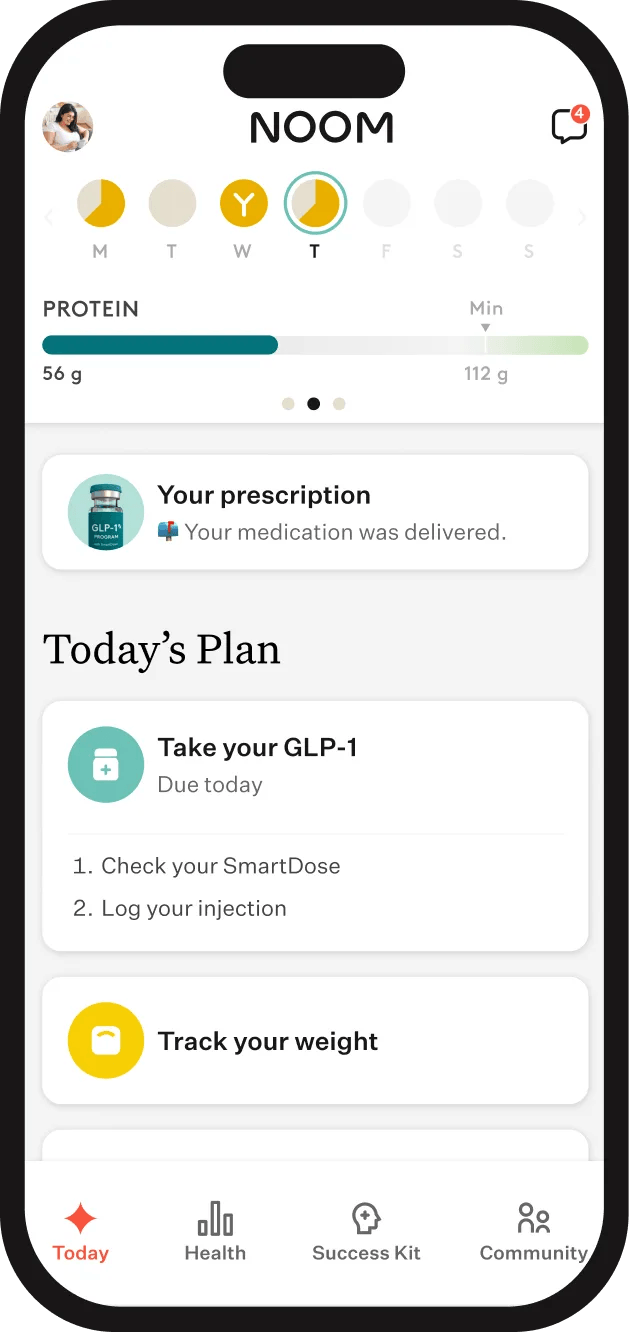
This is the promise of a GLP-1 companion program: not replacing medication, but helping translate its biological effects into behavioral and environmental change that may last longer.
Reviews from real Noom users
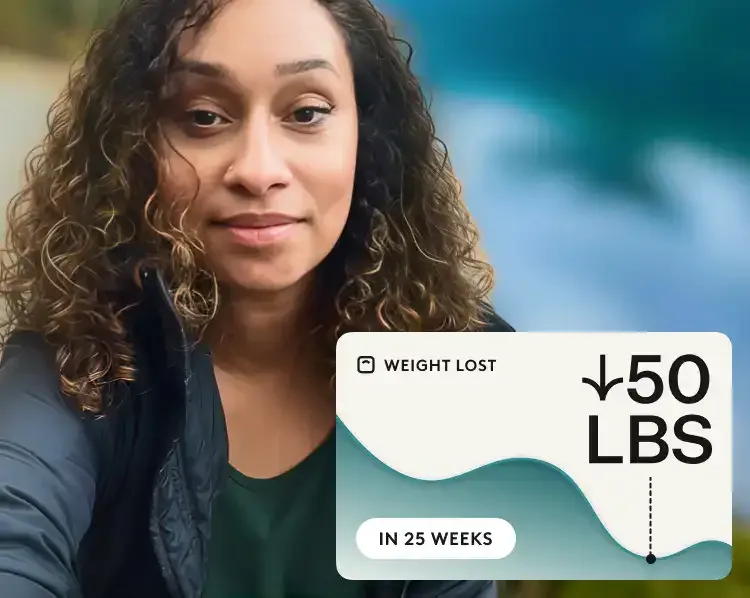
“My favorite parts of Noom are the care team and other Noomers. Sharing and getting help made me feel like I wasn’t doing it alone. That support made all the difference.”
Desirea N. — Real Noom user
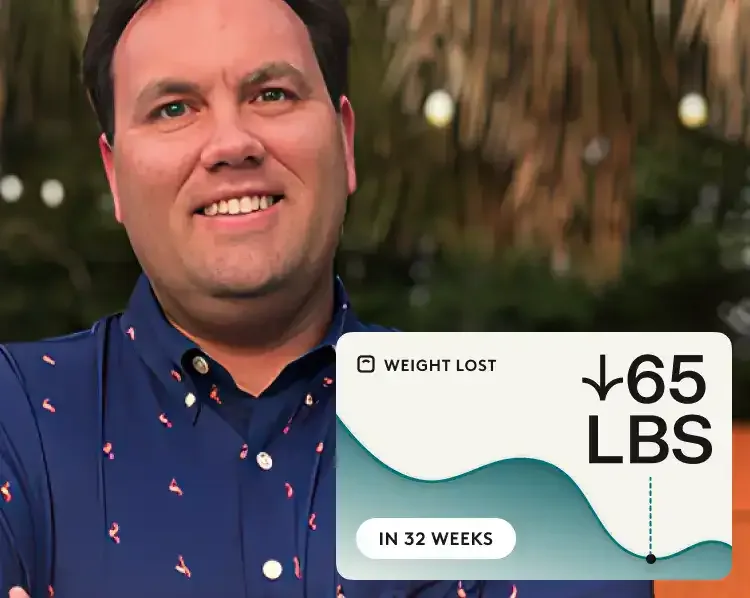
“Noom has taught me that every day is a new chance to make better, healthier choices. It’s taught me how to stop overeating.”
Matthew M. — Real Noom user
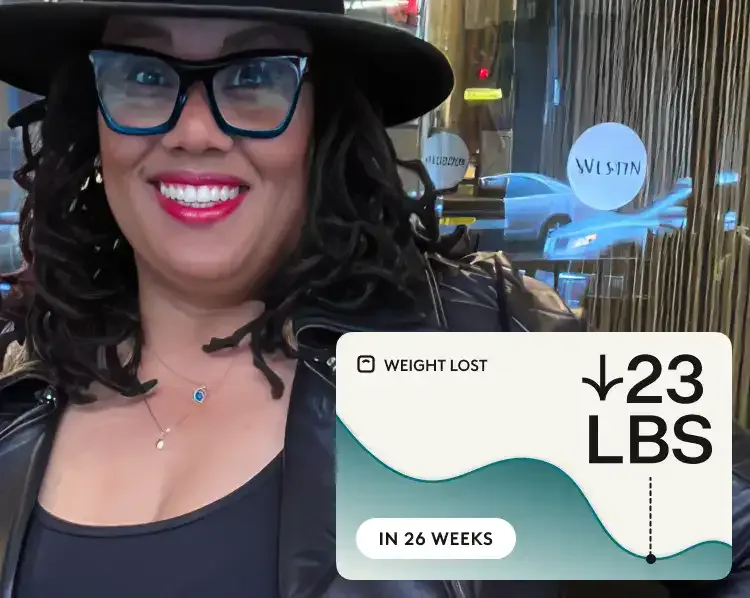
“Clinicians who understand how supportive medication can be is one of the best parts of Noom! I was convinced I wouldn’t have success but I’m down 11 pounds in two months.”
Lila M. — Real Noom user
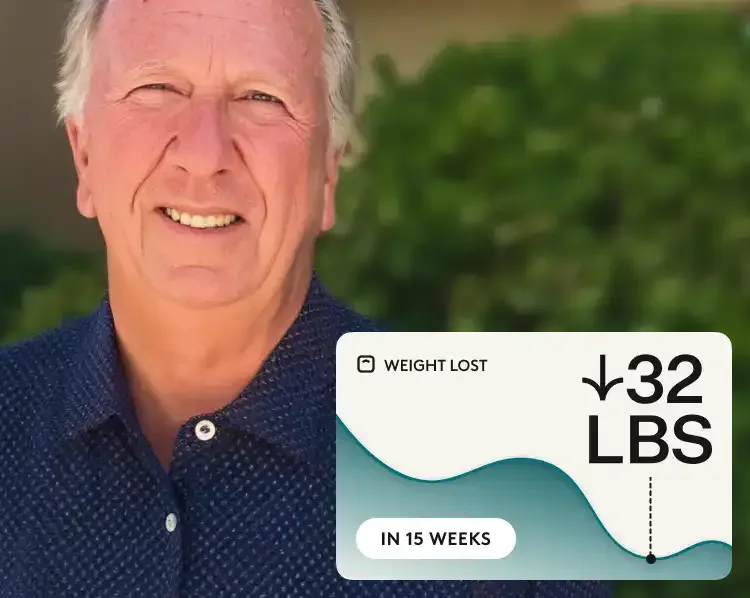
“Noom provided me with the medication which I could not get through Medicare. I have learned the tricks to better eating and life in general.”
Steve M. – Real Noom user
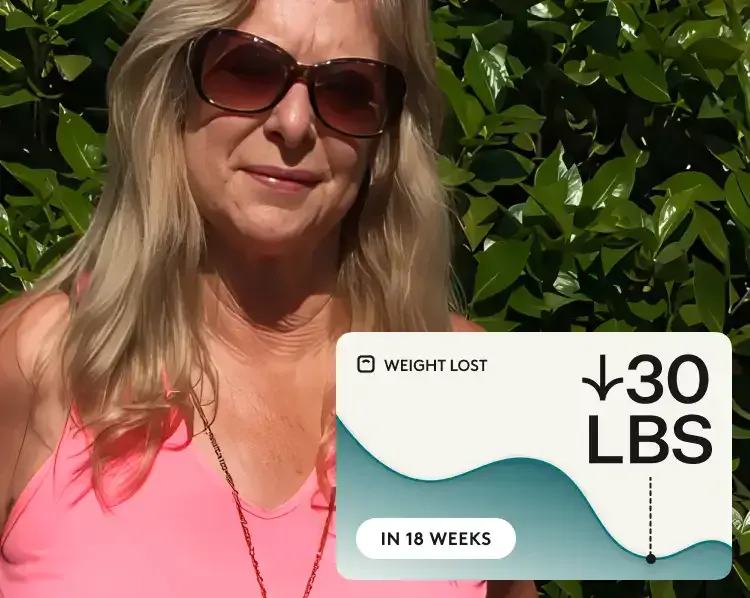
“Noom has changed my life and I’m so thankful, I feel great, have more energy and am no longer prediabetic.”
Daisy R. – Real Noom user
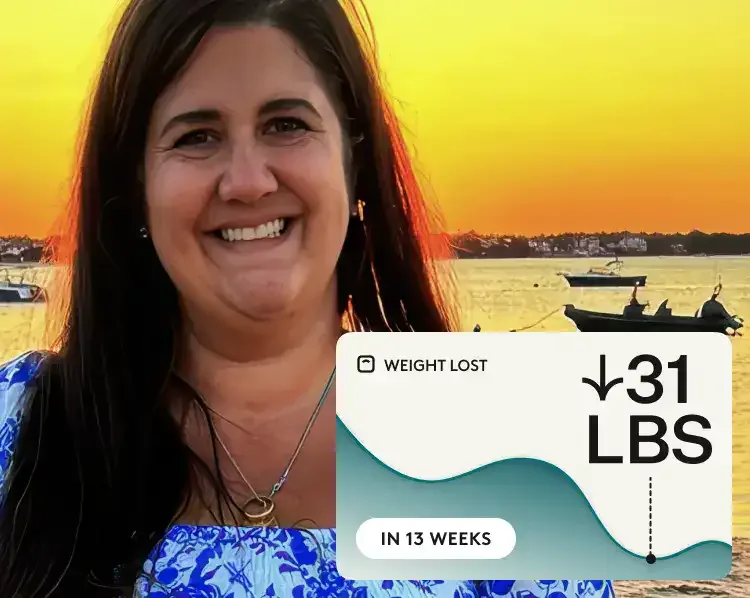
“All of the Noom providers that I’ve met with have been exceptional and prescribed medications that are appropriate for my situation and health.”
Sarah R. – Real Noom user
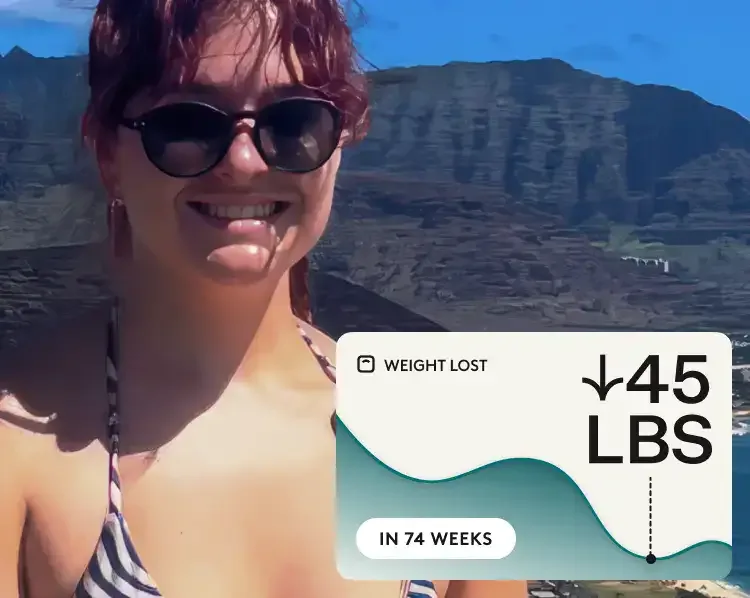
“Noom made the process so simple and now I feel full, free from diet obsession, and at ease in my body again.”
Madison S. – Real Noom user
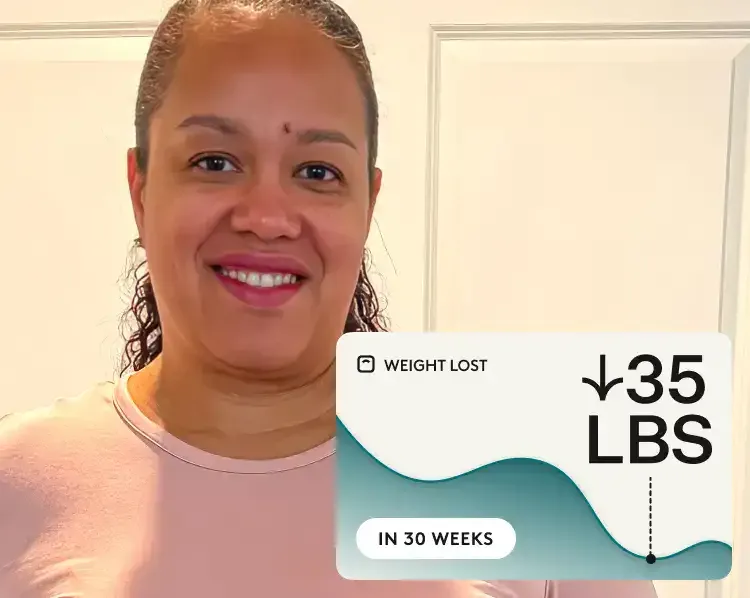
“My doctor recommended Noom after I was frustrated trying to lose weight. The lessons helped change my relationship with food. My body feels lighter & energized.”
Sonday K. – Real Noom user
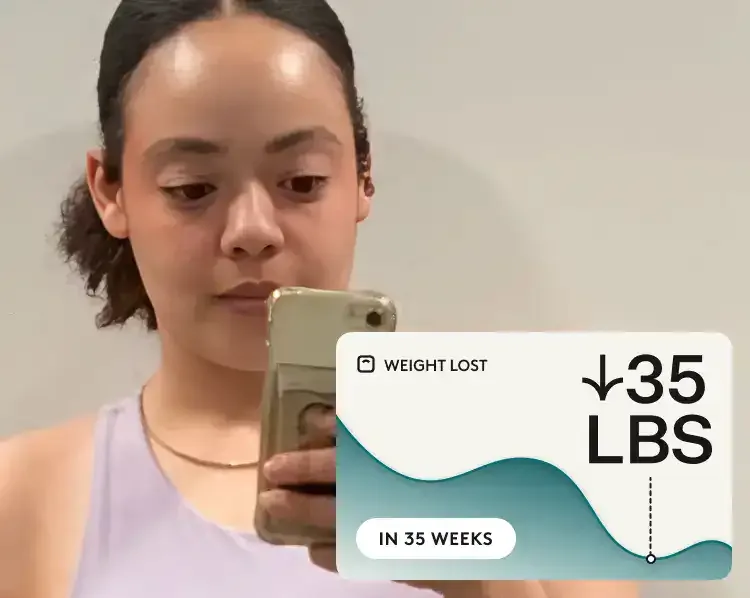
“I built healthy habits with coaching and lessons that make me confident I can maintain my weight loss long term.”
Cam K. – Real Noom user
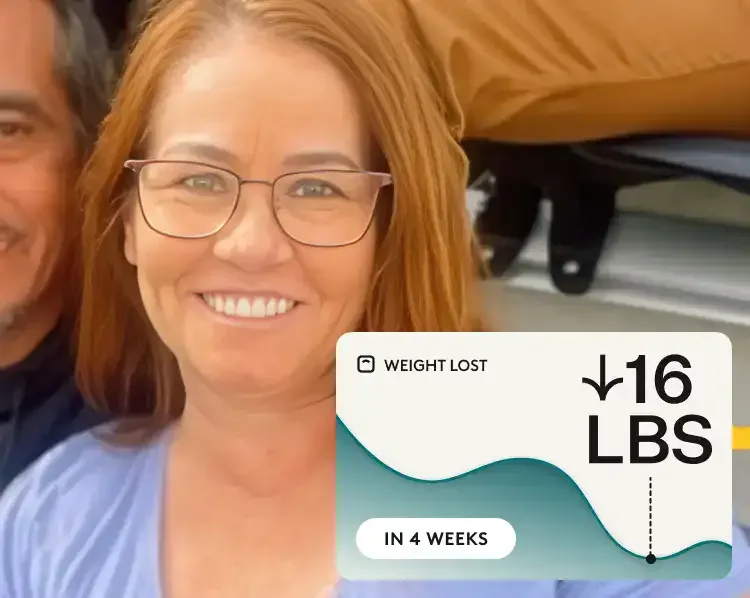
“With the right medication through Noom, hunger and sugar cravings finally quieted and I have the tools to break the cycle.”
Laura TR. – Real Noom user
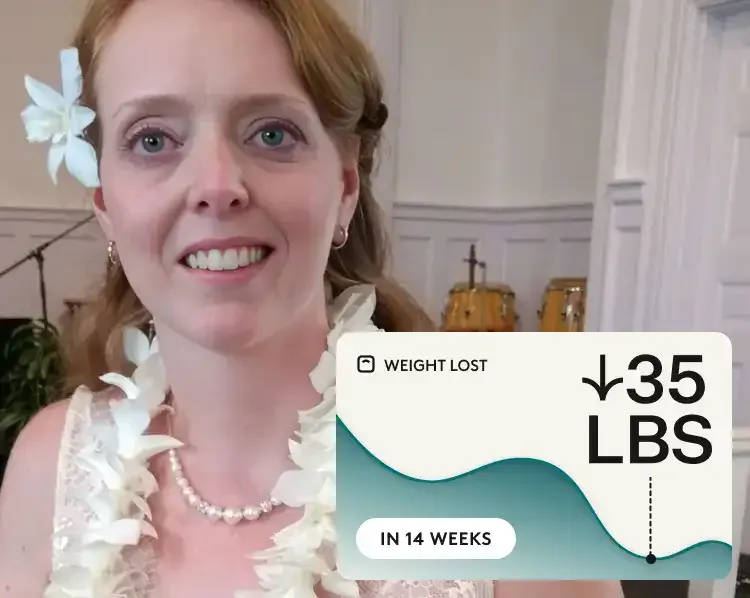
“Cravings and food noise are gone, I finally feel confident in the healthy habits I’ve built to last with Noom.”
Jessica S. – Real Noom user
Studying whether GLP-1 companion support can make change last
Most exciting of all, we will be supporting the research program outlined in Table 1 with randomized controlled trials to shed light on the problems, mechanisms and interventions raised in the paper. The research agenda includes studying medication persistence, tolerability, habit automaticity, food noise, body composition and postcessation weight maintenance.
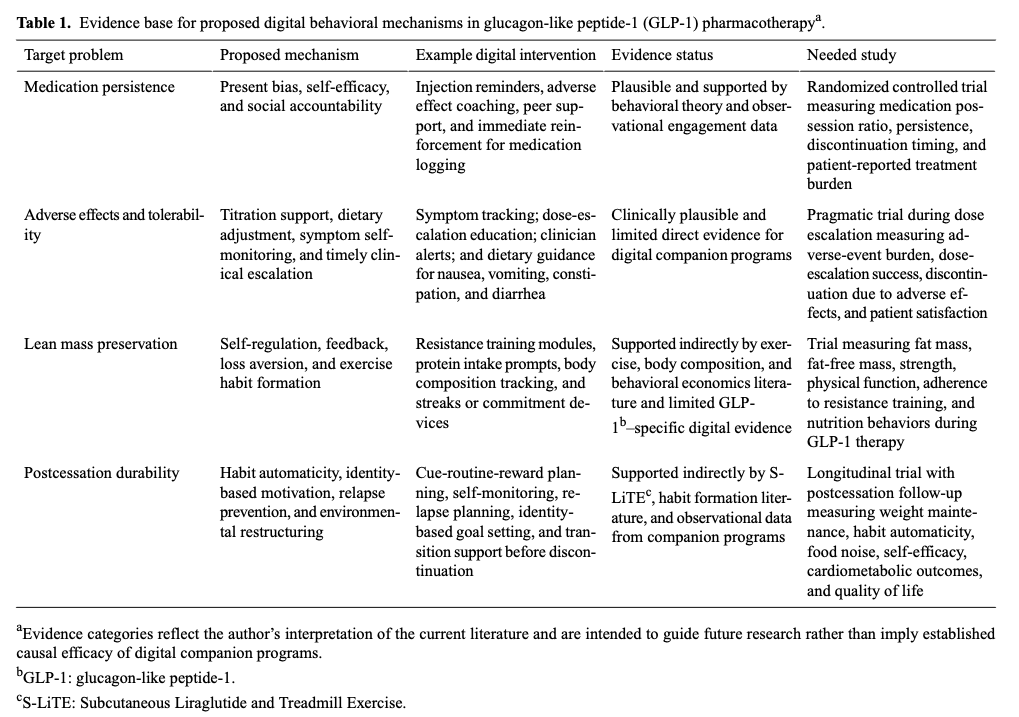
The Habit Window Hypothesis remains just that: a hypothesis. The next question is whether the opening created by GLP-1 therapy can be converted, through the right GLP-1 companion and GLP-1 digital support, into healthier routines that endure.
Read the full Habit Window paper in the Journal of Medical Internet Research: https://www.jmir.org/2026/1/e104227
Editorial standards
At Noom, we’re committed to providing health information that’s grounded in reliable science and expert review. Our content is created with the support of qualified professionals and based on well-established research from trusted medical and scientific organizations. Learn more about the experts behind our content on our Health Expert Team page.