What you’ll learn:
- The viral matcha ritual for weight loss isn’t a secret recipe.
- The videos promoting it use manipulated or AI-generated celebrity footage to keep viewers watching before directing them to supplements such as Leaftide or KeySlim.
- Matcha itself may have modest metabolic benefits, but there’s no evidence that drinking it in a particular way can produce dramatic weight loss.
Weight-loss trends often promise that one simple food, drink, or daily habit can make losing weight easier. We’ve seen plenty of these trends before: the gelatin trick, the cortisol cocktail, and Oatzempic.
The “matcha ritual” is the latest version, but there’s one big difference: there doesn’t appear to be an actual ritual or recipe behind it.
Instead, the term is being used in lengthy online videos that add another layer to the usual weight-loss trend: AI-generated or manipulated celebrity endorsements. The videos make it appear that biomedical scientist and health podcaster Dr. Rhonda Patrick—or, in other versions, actor Melissa McCarthy or bestselling author and podcast host Mel Robbins—discovered a two-minute morning matcha ritual that can “naturally” mimic the effects of GLP-1 medications.
The videos promise to reveal the recipe, but they never actually do. Instead, they eventually lead to a supplement for sale.
That makes the bigger question here less about whether matcha itself can support weight loss. (There is some research on matcha and green tea.) It’s about how AI and manipulated footage are being used to sell the idea of a secret weight-loss ritual, what these videos are actually claiming, and what they’re ultimately trying to sell.
Noom’s Most Powerful Program
A dual-pathway GLP-1 and behavior change for lasting results.
We asked Maggie Hudspeth, RDN, Senior Manager of Coaching at Noom, to help us separate what’s real from what’s marketing—and explain what matcha can and can’t actually do for weight loss.
What is the matcha recipe for weight loss?
Before untangling the celebrity claims, it helps to separate matcha itself from the “ritual” being promoted in these videos.
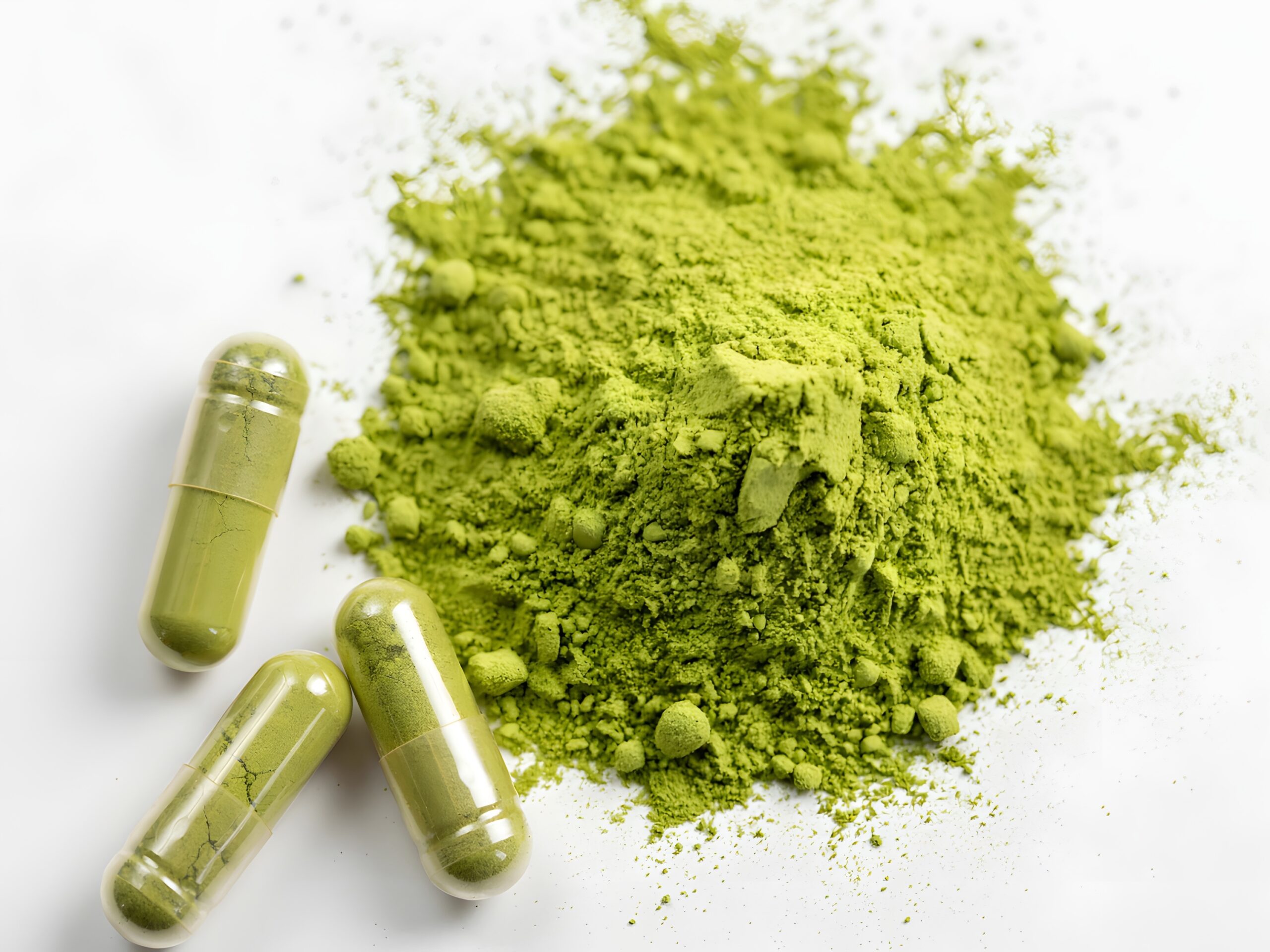
Matcha is simply powdered green tea. Unlike regular green tea, where you steep the leaves and then discard them, matcha is made by whisking finely ground tea leaves directly into water. It naturally contains caffeine and catechins, plant compounds found in tea that have antioxidant effects. A plain cup made with matcha and hot water also contains very few calories—typically around 5.
The matcha ritual or recipe described in these ads is something different. It’s presented as a specific, secret technique that goes beyond simply drinking matcha—a supposedly special two-minute morning recipe that can trigger significant weight loss.
But the videos can run for 10 to 20 minutes, repeatedly teasing the recipe without actually showing you how to make it. Instead, the promised “ritual” or recipe ultimately leads to a supplement being sold.
That distinction matters: There’s nothing inherently mysterious about preparing matcha, and there’s no established “matcha ritual” that has been shown to produce dramatic weight loss. The recipe is the hook used to keep you watching until the product pitch.
“The longer a video makes you wait for a recipe, the more suspicious you should be. A real tip doesn’t need 15 minutes of buildup,” says Hudspeth.
Did Dr. Rhonda Patrick promote a matcha recipe?
No. Although Patrick appears prominently in versions of the “matcha ritual” videos, she didn’t create or promote the recipe they describe.
Instead, the videos likely use manipulated or AI-generated footage to make it appear that Patrick is discussing a two-minute matcha ritual for weight loss. In some cases, authentic footage may be altered to make it seem as though she’s saying something she didn’t.
That use of a recognizable health expert is part of what makes the ads convincing. Patrick has genuinely discussed matcha, green tea, and their potential health effects—but that’s very different from endorsing the “matcha ritual” or the supplements these videos ultimately promote.
Access GLP-1 Weight Loss with Noom
Explore a wide range of prescription medications supported by Noom’s program.
Microdose GLP-1rx
Noom GLP-1rx
Noom GLP-1rx Plus
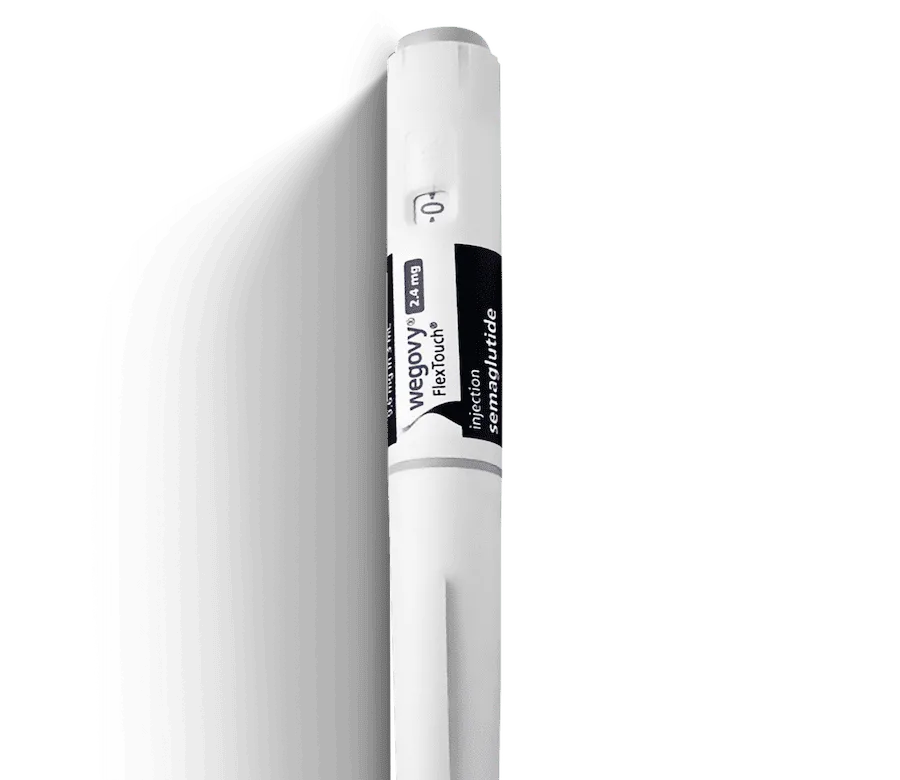
Wegovy®
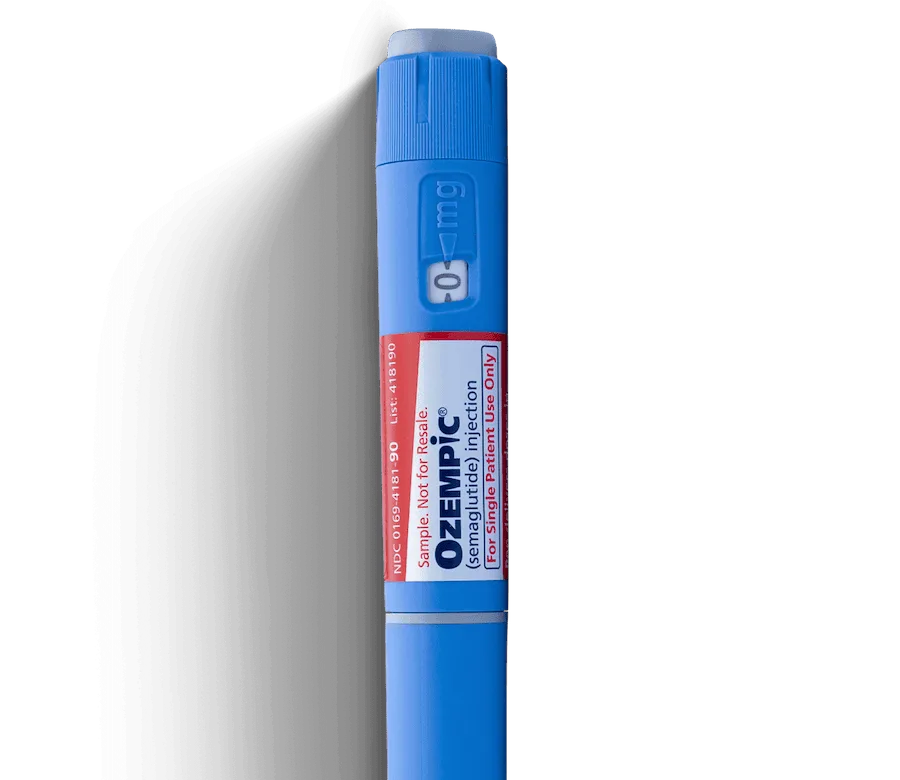
Ozempic®
Metformin
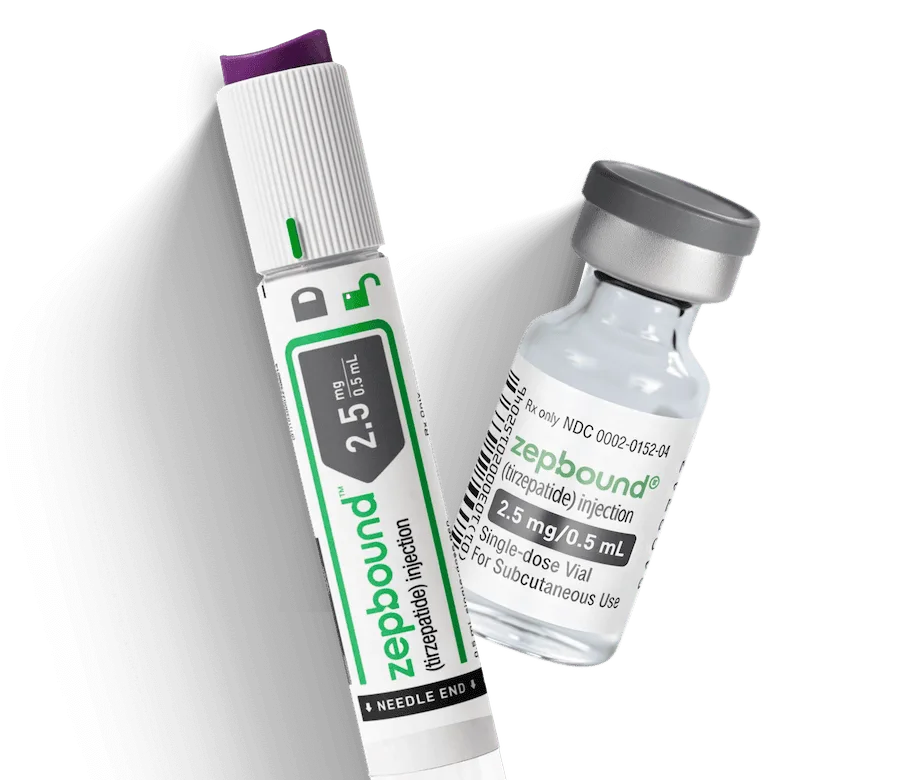
Zepbound®
Mounjaro®
Liraglutide
What other celebrities appear in fake matcha ritual ads?
Patrick isn’t the only recognizable person whose likeness has appeared in versions of these promotions. Ads and videos circulating around the “matcha ritual” have featured footage appearing to show celebrities and public figures including Melissa McCarthy, Joe Rogan, Mel Robbins, and Oprah Winfrey promoting the same or similar weight-loss claims.
This tactic extends well beyond matcha. The Federal Trade Commission (FTC) has specifically warned consumers about fake celebrity endorsements that use doctored video and audio to make it appear that a well-known person is promoting a product they never actually endorsed.
That’s an important clue when evaluating these ads: Seeing someone you recognize apparently discussing a product is no longer evidence that they actually did.
What have health experts actually said about matcha?
Part of what makes these videos convincing is that they can borrow from real conversations about matcha and green tea.
Patrick has discussed matcha and green tea catechins on her website and podcast, including noting that matcha is particularly concentrated in catechins such as EGCG. And physician and researcher Dr. William Li discussed matcha during an actual episode of The Mel Robbins Podcast.
In that conversation, Li talked about the catechins in matcha and suggested that they could activate brown fat and help reduce body fat and waist circumference. That was a genuine discussion about matcha—not an endorsement of a “matcha ritual” supplement or a secret two-minute weight-loss recipe.
That distinction is easy to lose once authentic footage is edited, taken out of context, or combined with AI-generated audio or video. A real discussion about the potential health effects of matcha can become the raw material for a much bigger claim the original speaker never made.
Leaftide and KeySlim: The products behind the matcha recipe ads
After spending several minutes promising to reveal the matcha “ritual” or recipe the videos eventually direct the viewer to a supplement for sale.
The product most commonly promoted is Leaftide (sometimes styled LeafTide), although some ads lead to a product called KeySlim. Both are supplements you can purchase, but neither is the matcha recipe the videos promise to reveal.
So, does Leaftide actually contain matcha? That’s difficult to answer because different versions of the product list very different ingredients. One documented LeafTide sales page lists green tea leaf extract—an ingredient that comes from the same plant as matcha—along with grape seed extract, guarana seed extract, African mango fruit extract, eleuthero root, and astragalus root. But it doesn’t list matcha itself.
Other versions sold under the LeafTide name don’t appear to contain green tea at all. The same review documents another formulation listing mangosteen fruit extract, raspberry ketones, apple cider vinegar, B vitamins, and biotin. And another review of Leaftide sales materials lists yet another combination: apple cider vinegar, BHB salts, apple pectin, and beetroot powder.
The different ingredient lists make it difficult to know exactly what formulation is being advertised—or how much connection the product itself has to the “matcha ritual” used to sell it.
There are consumer complaints, too. The Better Business Bureau’s Scam Tracker includes reports associated with Leaftide alleging unexpected charges and products that didn’t match what consumers believed they were purchasing. Other Leaftide reports describe additional products being added to orders and difficulty getting assistance or refunds.
These concerns are separate from whether matcha itself can be part of a healthy diet. The evidence for matcha should be evaluated on its own—and not based on the claims made about the supplements being sold through these ads.
Does matcha help with weight loss?
Strip away the celebrity ads, and there is a much simpler version of a “matcha ritual” you may see online: making and drinking matcha as part of a morning routine. That might mean sifting a small amount of matcha powder, whisking it with hot (not boiling) water, and drinking it before breakfast or another meal. There’s no secret ingredient or special technique—that’s the whole ritual.

The Easy Way
to lose weight and get healthy.
Could matcha itself help with weight loss? Maybe a little, but the evidence is much more modest than these ads suggest. Research has linked the catechins and caffeine in matcha and green tea with small increases in fat oxidation, including during exercise. And if plain matcha replaces a higher-calorie sweetened drink, that can also reduce your overall calorie intake.
What the research doesn’t show is that preparing or drinking matcha in a particular way produces dramatic weight loss or effects comparable to GLP-1 medications.
For a closer look at the research, including matcha’s calories, caffeine, catechins, and potential effects on weight, see Noom’s complete guide to matcha and weight loss.
Does matcha boost GLP-1 and GIP hormones?
It might—but not in the same way medications can.
GLP-1 and GIP are hormones released by the gut in response to eating, and research suggests exercise can also temporarily increase GLP-1. Among other functions, these hormones help regulate blood sugar, appetite, and digestion. They’re also the basis for some medications used for diabetes and weight management: semaglutide (Ozempic® and Wegovy®) activates GLP-1 receptors, while tirzepatide (Mounjaro® and Zepbound®) activates both GIP and GLP-1 receptors.
The ads claim that the matcha “ritual” can “naturally” increase these same hormones and produce medication-like effects without a prescription. There’s no evidence that drinking matcha can reproduce the effects of GLP-1 or GIP/GLP-1 medications.
The matcha research these claims may appear to draw from looks at something different. In one small study, drinking matcha before a 30-minute brisk walk modestly increased fat oxidation—the use of fat for energy—during the walk. A follow-up study found a similar effect during brisk walking after participants consumed matcha daily for three weeks.
Both studies were small and involved active women, and neither tested whether matcha increased GLP-1 or GIP. In other words, the hormone claim in the ads isn’t simply an exaggerated version of what these studies found—it’s a different claim that these studies didn’t investigate.
“Certain foods, drinks, and activities can stimulate your body’s natural release of GLP-1 and GIP, but that’s very different from how medications work,” says Hudspeth. “These medications are designed to have a stronger, longer-lasting effect on these hormone pathways, which can help regulate blood sugar, reduce appetite, and support weight loss.”
Is the matcha ritual weight loss trend safe?
If you’re simply making matcha at home, the safety considerations are very different from those surrounding the products promoted in these ads. The bigger concern is what happens when the “ritual” leads you to purchase a supplement with unclear or inconsistent ingredient information.
There may be financial risks, too. The BBB complaints linked above include reports of unexpected charges, recurring billing after an initial purchase, and difficulty reaching customer support.
If you’re trying to manage your weight or a metabolic health condition, talk with your doctor about approaches that have evidence behind them rather than relying on a video promising a secret recipe.
“I’d rather someone spend $8 on real matcha powder and enjoy it than lose $300 to a supplement that was never tested and doesn’t even have a consistent ingredient list,” says Hudspeth.
How to spot a fake matcha ritual ad
The same red flags that appear in the “matcha ritual” campaign show up in plenty of other questionable health and weight-loss promotions. Here’s what to watch for:
- The promised recipe never appears. If a video keeps teasing a simple “ritual” or secret ingredient but makes you sit through a lengthy presentation without actually showing it, be skeptical—especially if the big reveal turns out to be a product you need to buy.
- A celebrity endorsement you can’t verify anywhere else. Search the person’s name along with the product before buying. The FTC specifically recommends checking whether the celebrity has actually promoted the product, rather than trusting the video itself.
- Ingredient lists that don’t match. Formulas can change, but if different sites give substantially different ingredient lists for what appears to be the same product—and there’s no clear explanation of why—that’s a reason to hold off.
- Pressure to buy immediately. Countdown timers, “limited-time” pricing, and other urgency tactics can push you to purchase before you’ve had time to research the product or company independently.
What to do if you already bought it
If you’ve already ordered a product through one of these ads and notice an unexpected or recurring charge, contact your bank or credit card issuer promptly to ask about disputing the charge and preventing additional unauthorized charges.
You can also report suspected fraud to the Federal Trade Commission or submit a report to the BBB Scam Tracker. For suspected internet crime, you can also file a report with the FBI’s Internet Crime Complaint Center.
FAQs: Matcha recipe for weight loss
What is Dr. Rhonda Patrick’s matcha recipe for weight loss?
There isn’t a verified Dr. Rhonda Patrick matcha recipe for weight loss. Videos that appear to show her promoting a secret “matcha ritual” use manipulated or fabricated footage and eventually direct viewers to a supplement.
What do you put in matcha to lose weight?
There’s no ingredient you can add to matcha that has been shown to turn it into a weight-loss treatment. If you enjoy matcha, drinking it plain or with a lower-calorie milk can keep calories low, while adding syrups, sugar, or sweetened creamers can quickly increase them.
What is the best time to drink matcha for weight loss?
There’s no proven time of day that makes matcha more effective for weight loss. Some research has looked at drinking matcha before exercise, but the studies were small and measured fat oxidation during activity—not long-term weight loss.
Can you drink matcha every day?
For most healthy adults, matcha can fit into a daily routine. Just remember that it contains caffeine, and the amount can vary depending on how much powder you use. The FDA cites 400 mg of caffeine per day as an amount not generally associated with negative effects for most adults.
Is matcha better than coffee for weight loss?
There’s no strong evidence that matcha leads to more weight loss than coffee. Both contain caffeine and very few calories when consumed plain. What you add to either drink—and what it replaces in your usual diet—may matter more for your overall calorie intake.
Can matcha replace a GLP-1 medication?
No. Matcha contains compounds being studied for potential metabolic effects, but there’s no evidence that drinking it produces the sustained effects on GLP-1 or GIP pathways seen with medications such as semaglutide or tirzepatide.
Reviews from real Noom users
“My favorite parts of Noom are the care team and other Noomers. Sharing and getting help made me feel like I wasn’t doing it alone. That support made all the difference.”
Desirea N. — Real Noom user
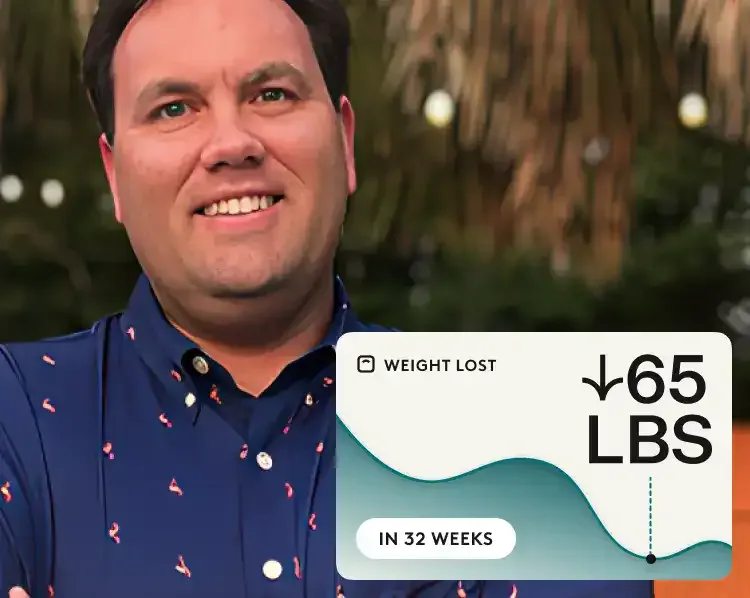
“Noom has taught me that every day is a new chance to make better, healthier choices. It’s taught me how to stop overeating.”
Matthew M. — Real Noom user
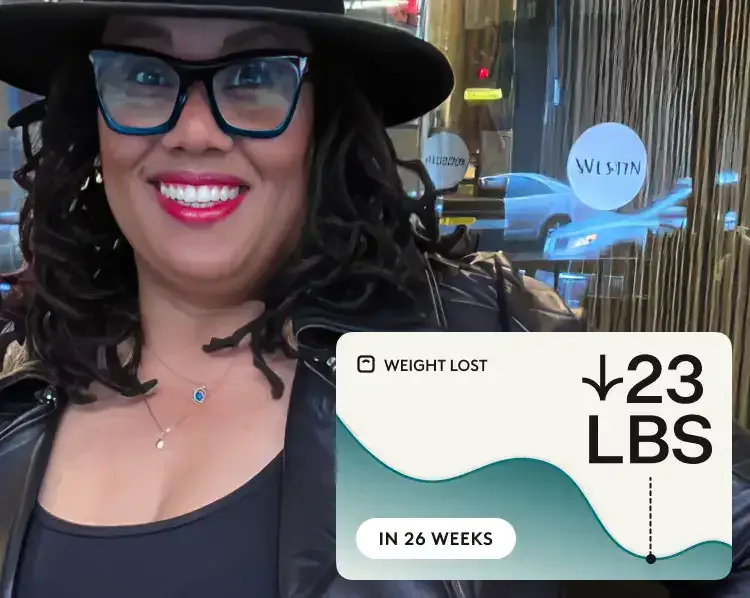
“Clinicians who understand how supportive medication can be is one of the best parts of Noom! I was convinced I wouldn’t have success but I’m down 11 pounds in two months.”
Lila M. — Real Noom user
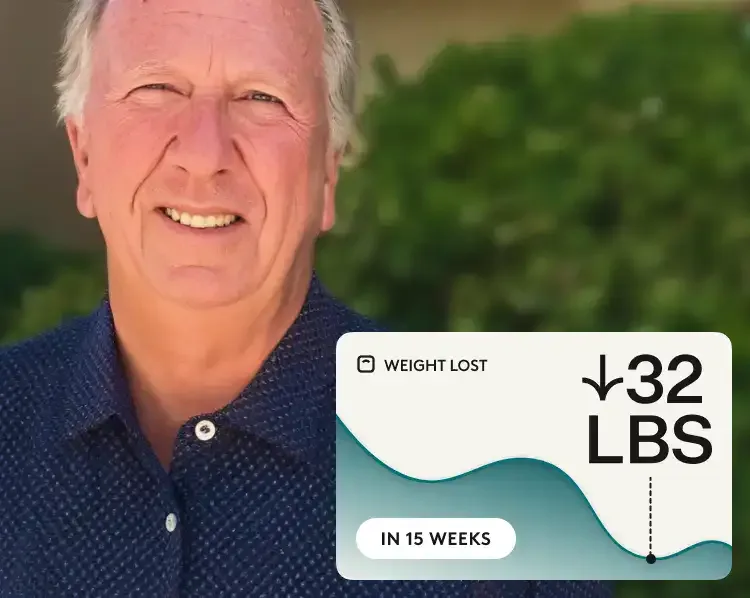
“Noom provided me with the medication which I could not get through Medicare. I have learned the tricks to better eating and life in general.”
Steve M. – Real Noom user
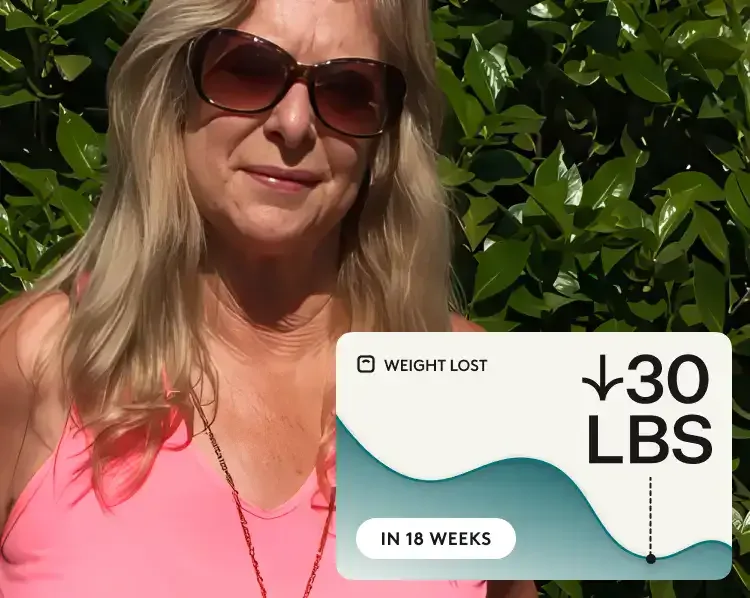
“Noom has changed my life and I’m so thankful, I feel great, have more energy and am no longer prediabetic.”
Daisy R. – Real Noom user
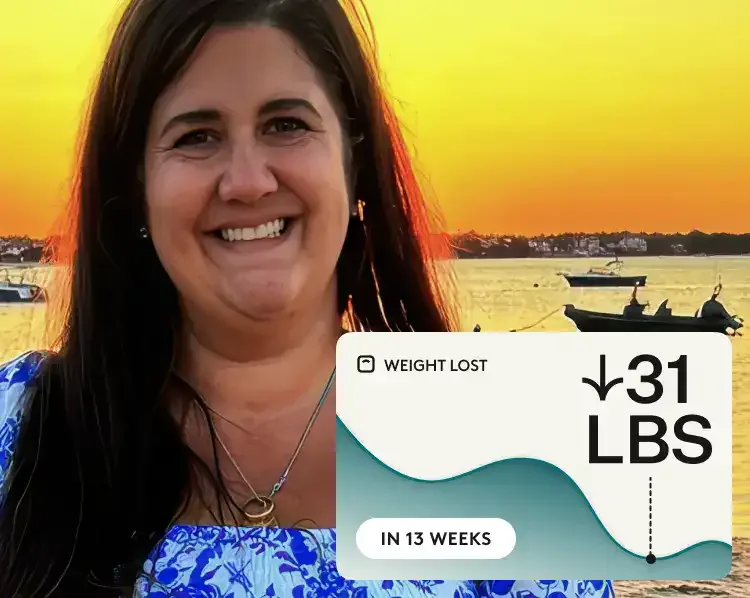
“All of the Noom providers that I’ve met with have been exceptional and prescribed medications that are appropriate for my situation and health.”
Sarah R. – Real Noom user
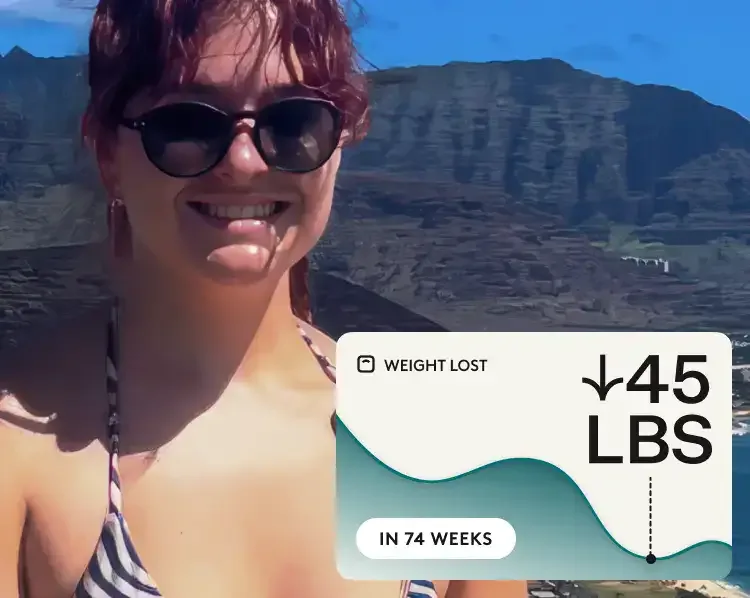
“Noom made the process so simple and now I feel full, free from diet obsession, and at ease in my body again.”
Madison S. – Real Noom user
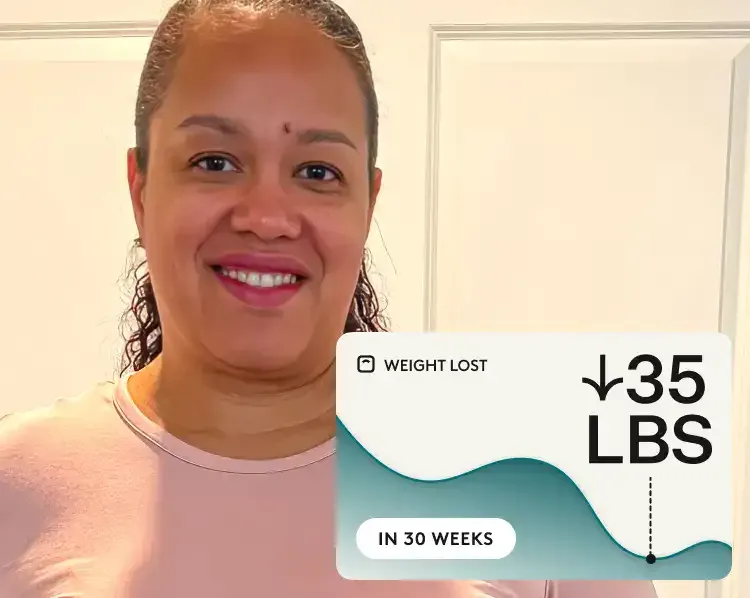
“My doctor recommended Noom after I was frustrated trying to lose weight. The lessons helped change my relationship with food. My body feels lighter & energized.”
Sonday K. – Real Noom user
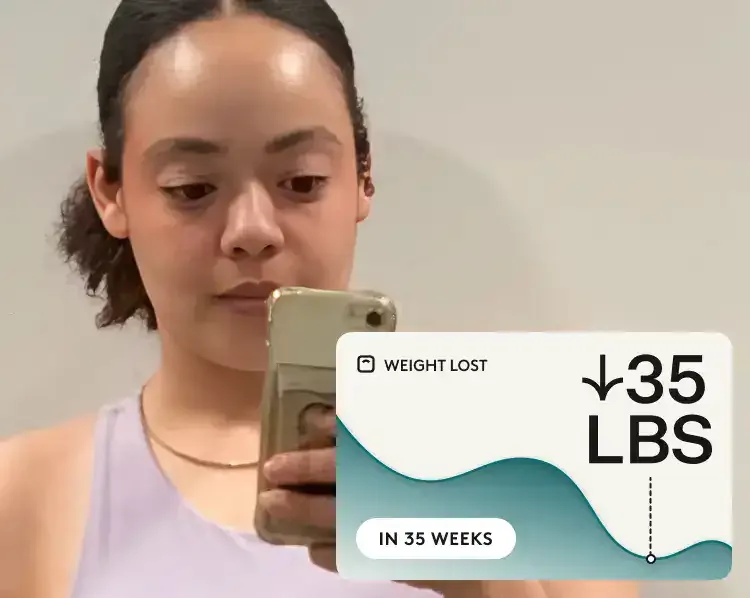
“I built healthy habits with coaching and lessons that make me confident I can maintain my weight loss long term.”
Cam K. – Real Noom user
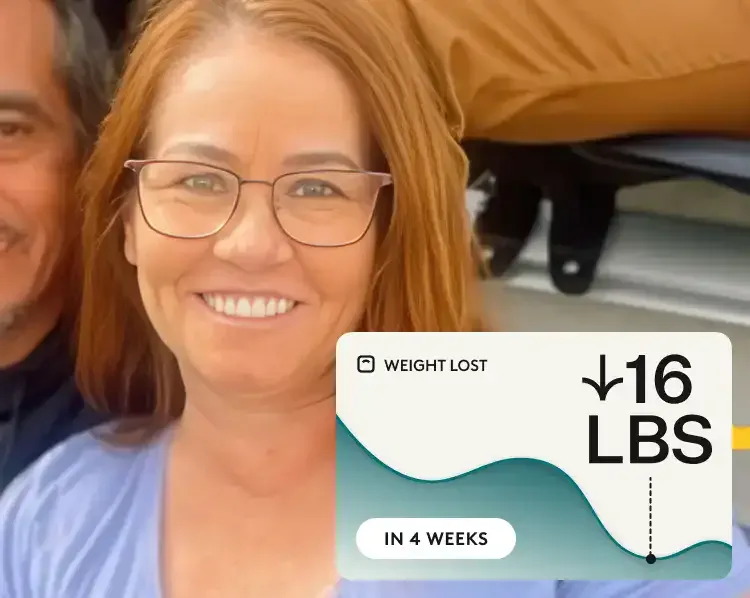
“With the right medication through Noom, hunger and sugar cravings finally quieted and I have the tools to break the cycle.”
Laura TR. – Real Noom user
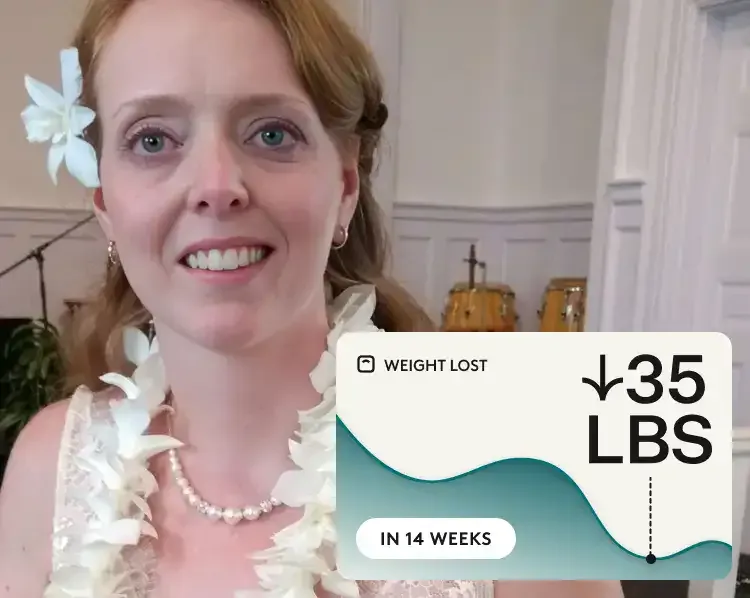
“Cravings and food noise are gone, I finally feel confident in the healthy habits I’ve built to last with Noom.”
Jessica S. – Real Noom user
The bottom line: There is no secret matcha ritual for weight loss
The viral “matcha ritual” for weight loss sounds like a simple recipe, but the versions circulating in these ads don’t actually lead to one. Instead, they use manipulated or AI-generated celebrity footage, claims about naturally boosting GLP-1 and GIP, and a long buildup around a supposedly secret technique before ultimately directing viewers to supplements such as Leaftide or KeySlim.
That doesn’t mean matcha itself is a scam. Matcha is a low-calorie drink that contains caffeine and catechins, including EGCG, and there is some research into its potential effects on metabolism and fat oxidation. But the evidence is modest, and there’s no research showing that a special way of preparing or drinking matcha produces dramatic weight loss or mimics the effects of medications like semaglutide or tirzepatide.
If you enjoy matcha, there’s no need for a secret ritual. You can whisk matcha powder with hot water, drink it as part of your usual routine, and take advantage of what it actually offers without expecting medication-level results. If you’re curious about the research, see Noom’s complete guide to matcha and weight loss.
And if you’re considering a supplement promoted through one of these ads, look beyond the person who appears in the video. Check whether the endorsement is genuine, whether the ingredients and manufacturer are clearly identified, and whether there’s credible evidence for the specific product—not just research on one or two ingredients it contains.
“Matcha can absolutely be part of a healthy routine, but we need to separate what a food may modestly support from what a medication is designed to do,” says Hudspeth. “There’s no secret preparation method that turns matcha into a GLP-1 medication, and you don’t need a special supplement to get the benefits matcha may offer.”
For more science-backed information on weight management, plus recipes, exercise guidance, and tools for building healthier habits, download Noom for free on iOS and Android.
Editorial standards
At Noom, we’re committed to providing health information that’s grounded in reliable science and expert review. Our content is created with the support of qualified professionals and based on well-established research from trusted medical and scientific organizations. Learn more about the experts behind our content on our Health Expert Team page.