
What you’ll learn:
- Oral and sublingual tirzepatide drops haven’t been studied as alternatives to Zepbound® or Mounjaro®, so it isn’t known how well they’re absorbed or whether they’re effective.
- GLP-1 medications are peptide drugs, which can be difficult for the body to absorb when taken by mouth.
- Oral GLP-1 medications require specially designed formulations to help the medication reach the bloodstream.
You may have seen ads for oral tirzepatide drops that promise the weight loss benefits of Zepbound® without injections. The pitch is appealing: place drops under your tongue, skip the needles, and keep working toward your weight goals. Bonus: They’re often much cheaper than tirzepatide injections.
They’re also part of a much bigger trend. Patches, gummies, and capsules with names that sound like prescription weight-loss medications or use terms like “GLP-1” have become popular across social media.
But what exactly are tirzepatide drops are a bit different: they are marketed as a product that contains tirzepatide but works as an under-the-tongue drop. Do they really contain tirzepatide? And can taking a few drops under your tongue actually produce the same effects as a weekly injection?
Those questions are especially relevant now that oral GLP-1 medications are available, including Foundayo and the Wegovy pill. It’s easy to assume that tirzepatide drops are simply another oral option, but how these products compare with medications specifically developed to be taken by mouth is an important distinction.
Here’s what to know about tirzepatide drops, what’s actually being sold, how they’re supposed to work, and whether they’re likely to be a good substitute for tirzepatide injections.
Noom’s Most Powerful Program
A dual-pathway GLP-1 and behavior change for lasting results.
What are oral tirzepatide drops?
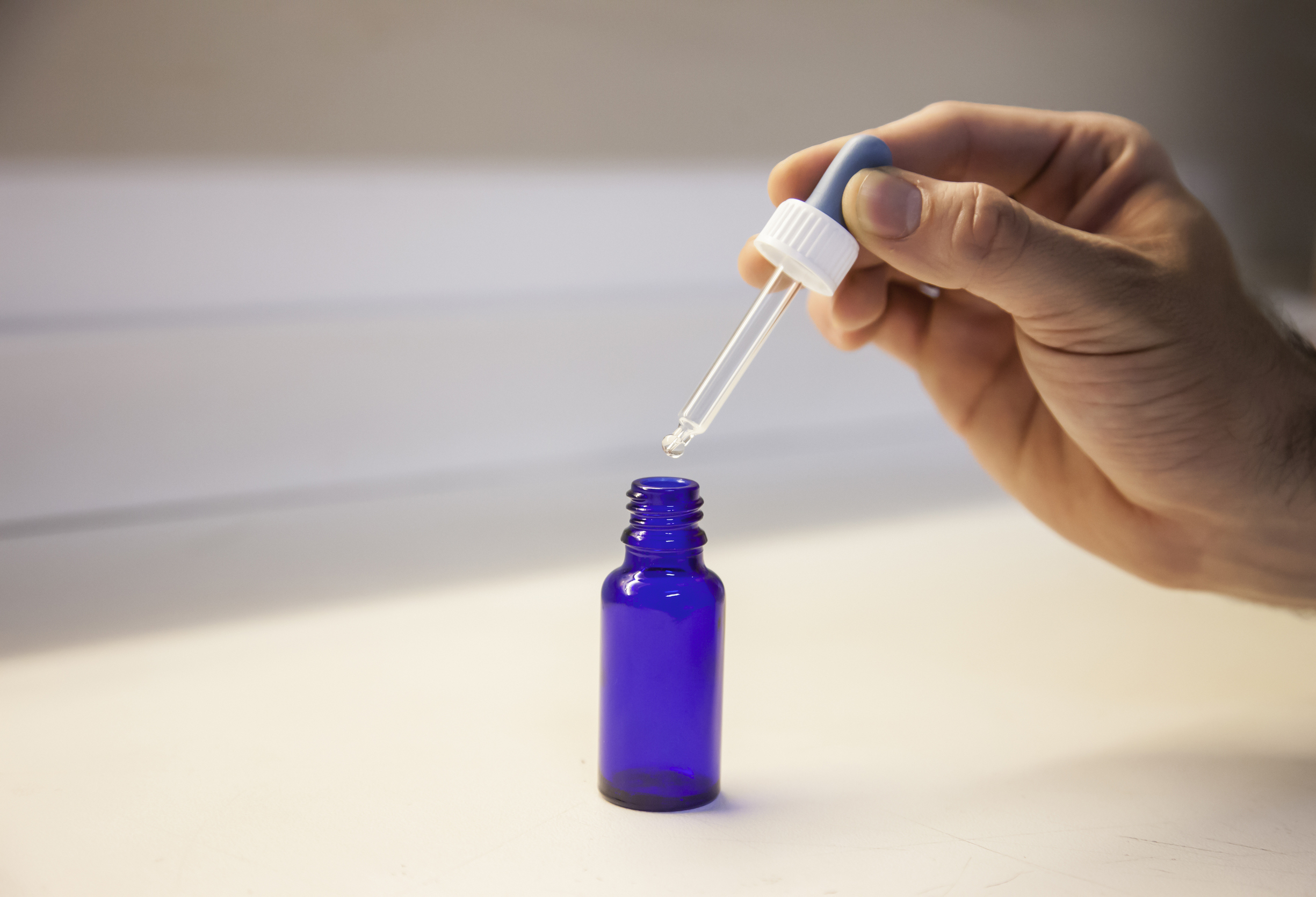
Oral tirzepatide drops, sometimes called tirzepatide oral drops or sublingual tirzepatide drops, are liquid products marketed as needle-free versions of tirzepatide. They typically come in small bottles with a dropper, and instructions may tell you to place a measured amount under your tongue and hold it there before swallowing.
Unlike Zepbound® and Mounjaro®, which are injected once a week, some tirzepatide drops are marketed for daily use. The amount in each dose can also vary between products, so there isn’t one standard set of directions for products sold as tirzepatide drops.
Convenience is a big part of the pitch. Ads commonly emphasize avoiding injections, taking the drops at home or while traveling, and, in some cases, not needing refrigeration. They may also advertise the drops at a lower monthly price than brand-name tirzepatide injections.
Put together, that marketing can make tirzepatide drops sound like the liquid equivalent of Zepbound or Mounjaro. But whether tirzepatide can actually work when taken this way is a separate question.
Is any oral tirzepatide available?
No. As of September 2026, tirzepatide isn’t available as a pill, oral liquid, or sublingual drop. The tirzepatide used in Zepbound® and Mounjaro® is given by injection.
That distinction can be confusing because oral GLP-1 medications do exist. The Wegovy pill contains semaglutide, the same active ingredient used in injectable Wegovy®, while Foundayo contains orforglipron, a different type of GLP-1 medication designed to be taken as a pill. Neither contains tirzepatide.
There also isn’t a pill version of Zepbound or Mounjaro. So, when you see a product advertised as “oral tirzepatide” or “tirzepatide drops,” it isn’t simply a liquid or oral version of either medication.
And that matters because changing how a medication is taken can change whether—and how much of—it reaches your bloodstream. Tirzepatide is a large peptide molecule, which makes delivering it by mouth particularly challenging. We’ll look at why that matters for drops next.
Read more: Tirzepatide for weight loss and GLP-1 vs. GIP for weight loss
The issues with making tirzepatide available as drops
Some medications work well as drops under the tongue, so it might seem like tirzepatide could work the same way. The problem is that getting a medication into your bloodstream this way isn’t as simple as dissolving it in liquid.
Access GLP-1 Weight Loss with Noom
Explore a wide range of prescription medications supported by Noom’s program.
Microdose GLP-1rx
Noom GLP-1rx
Noom GLP-1rx Plus
Wegovy®
Ozempic®
Metformin
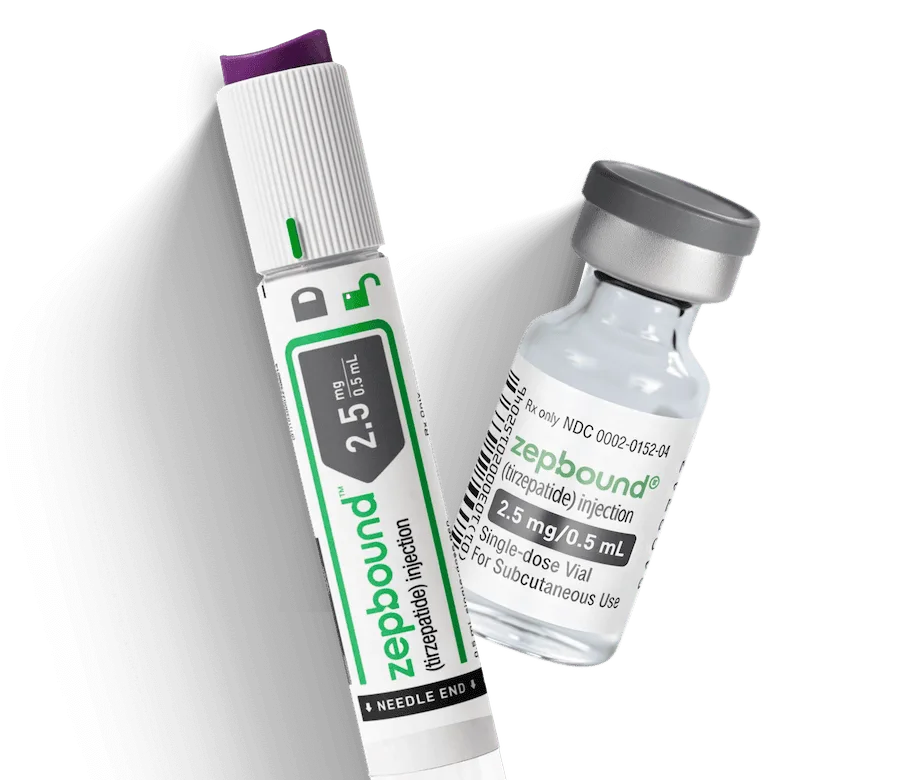
Zepbound®
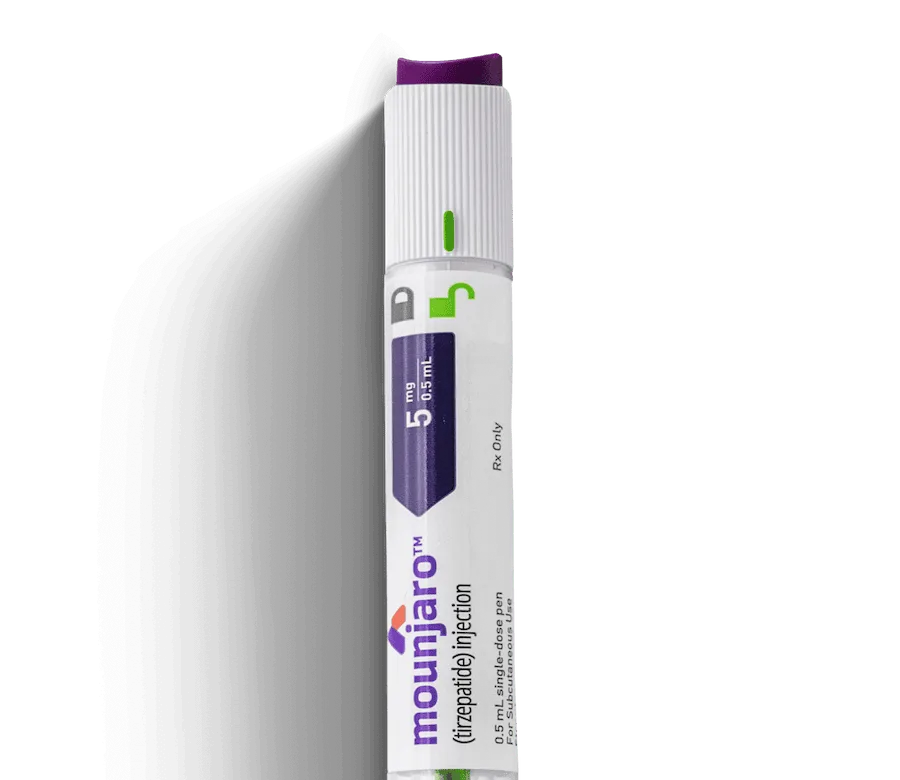
Mounjaro®
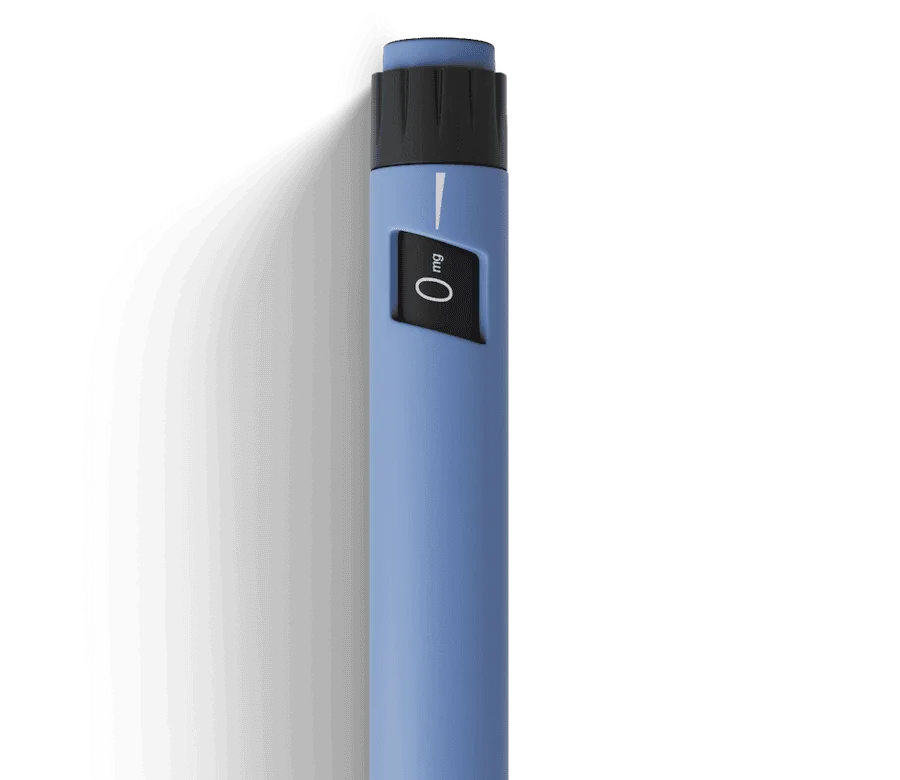
Liraglutide
Tirzepatide is a peptide, meaning it’s made from a chain of amino acids. Peptides are relatively large molecules that are difficult for the body to absorb through the mouth or digestive system. If they’re swallowed, they can also be broken down before enough medication reaches the bloodstream.
That doesn’t mean peptide medications can never be taken without an injection. But researchers have to find a reliable way to protect the medication, help your body absorb it, and make sure the right amount reaches your bloodstream. Here’s why that matters.
Why is tirzepatide difficult to absorb under the tongue?
Putting medication under your tongue can help certain drugs enter your bloodstream without first passing through your digestive system. The tissue there has a rich blood supply, which is why some medications can work well this way.
But the medication still has to cross the lining of your mouth to reach that blood supply. That’s harder for large peptide molecules like tirzepatide.
A review of medications designed to be absorbed under the tongue or through the inside of the cheek describes several challenges researchers face when trying to deliver peptides this way. Their size and chemical properties can make it difficult for them to cross the lining of the mouth. Enzymes can break them down, and saliva can dilute or wash away the medication before enough is absorbed.
Researchers have found ways to improve peptide absorption, but doing so requires specially designed formulations. These include ingredients that help a medication pass through the tissue and materials that keep it in contact with the mouth longer.
There has even been research on delivering GLP-1 itself through the inside of the cheek. The same review describes earlier studies in which a specially formulated form of GLP-1 had about 6 to 7 % bioavailability. That means only about 6 to 7 % of the dose made it into the bloodstream—even though the formulation was specifically designed to help it get there.
That research wasn’t on tirzepatide drops, so it can’t tell us how much tirzepatide, if any, would be absorbed from these products. But it illustrates the larger problem: Putting a peptide under your tongue isn’t enough on its own. The formulation has to be designed and tested to deliver a predictable amount of medication into your bloodstream.
What happens if you swallow tirzepatide drops?
Any medication that isn’t absorbed under your tongue will eventually be swallowed—and that creates another challenge.
Your digestive system is designed to break down proteins and peptides from food. Stomach acid and digestive enzymes can do the same thing to peptide medications. Even if some of the medication survives, large peptide molecules generally have trouble crossing the digestive tract and entering the bloodstream.
This is a well-known challenge with oral peptide medications. Research on oral semaglutide, another peptide-based GLP-1 medication, describes both poor absorption through the digestive tract and breakdown by digestive enzymes as major obstacles researchers had to overcome.
So, an oral medication isn’t simply an injectable medication put into a pill—or a dropper bottle. Researchers need a way to help enough of the medication survive and reach the bloodstream consistently.
How does the Wegovy pill get around this problem?
The Wegovy pill shows just how much the formulation can matter.
Semaglutide, its active ingredient, is also a peptide and normally isn’t absorbed well when taken by mouth. To make an oral version work, semaglutide is combined with an ingredient called SNAC that helps the body absorb it.
Research into how oral semaglutide is absorbed found that SNAC helps protect semaglutide from being broken down in the stomach and temporarily helps it pass through the stomach lining. The researchers found that absorption happens primarily in the stomach, close to where the tablet dissolves.
Noom’s Most Powerful Program
A dual-pathway GLP-1 and behavior change for lasting results.
Even details like how much water you drink with the medication can make a difference. In a study that tracked what happened to oral semaglutide tablets after they were swallowed, researchers found that the tablets dissolved in the stomach and that the amount of water taken with them affected how much semaglutide reached the bloodstream. In the study, exposure to semaglutide was 70 % higher when the tablet was taken with about 2 ounces of water versus 8 ounces.
That’s also why the Wegovy pill comes with specific instructions about how to take it. You take it on an empty stomach with no more than 4 ounces of water and then wait at least 30 minutes before eating, drinking, or taking other oral medications.
The important point isn’t the specific technology behind Wegovy. It’s that researchers didn’t simply put semaglutide into a pill. The medication and the way it’s delivered were developed and studied together to make oral absorption possible.
Why can Foundayo be taken as a pill?
Foundayo takes a completely different approach. Its active ingredient, orforglipron, isn’t a peptide. Instead, it’s a much smaller molecule designed to activate the GLP-1 receptor while still being suitable for a pill.
That means it doesn’t face the same absorption challenges as peptide medications like tirzepatide and semaglutide.
In a clinical trial of orforglipron, participants took it once daily without restrictions on food or water. A separate study looking specifically at whether food affects orforglipron absorption found that taking it with food somewhat reduced the amount of medication that reached the bloodstream, but researchers didn’t expect the difference to meaningfully affect how well it worked.
That’s an important difference. The Wegovy pill uses a specially developed formulation to help a peptide medication get into the bloodstream. Foundayo uses a different type of molecule that can be taken by mouth without the same restrictions.
Both show that GLP-1 medications can work as pills. But getting there takes more than putting an injectable medication into a different form and taking it by mouth.
For tirzepatide drops, the key question is whether the product has been specifically designed and studied to deliver enough tirzepatide into the bloodstream to work as intended. Simply putting tirzepatide into a liquid doesn’t show that it can be absorbed effectively under the tongue or after it’s swallowed.
Do tirzepatide drops work?
We don’t know. Tirzepatide drops haven’t been studied in clinical trials, so there isn’t reliable evidence showing how well they’re absorbed or whether they’re effective for weight loss.
That doesn’t mean researchers haven’t explored ways to deliver peptide medications under the tongue. Specialized delivery systems have been developed to help large molecules cross the tissue in the mouth. One example, SubMagna™ SL HMW, is a liquid base designed to improve absorption under the tongue. Laboratory research using semaglutide found that the medication could move through models of human oral tissue, and a 2026 animal study found that semaglutide could reach the bloodstream when delivered under the tongue using this type of system.
But that research was on semaglutide, not tirzepatide, and it doesn’t show that tirzepatide drops produce weight loss in people. Human studies would still be needed to determine how much tirzepatide is absorbed and what dose, if any, produces the intended effects.
Without research specifically on tirzepatide drops, we don’t know:
- How much tirzepatide, if any, reaches the bloodstream when taken under the tongue.
- What dose would be needed to affect appetite, blood sugar, or weight.
- How often the drops would need to be taken.
- What weight-loss results people could expect.
The weight-loss results you may have seen for tirzepatide come from studies of injectable tirzepatide. Those results can’t tell us how tirzepatide drops would perform because the way a medication is delivered can affect how much of it reaches the bloodstream.
For now, there simply isn’t enough research on tirzepatide drops to know whether they work for weight loss.
Do tirzepatide drops have side effects?
Potentially. Tirzepatide drops haven’t been studied in clinical trials, so we don’t know exactly what side effects they cause or how often they occur.
But if a product contains tirzepatide and enough of it reaches your bloodstream to have an effect, it could potentially cause some of the same side effects associated with tirzepatide injections.
The most common side effects seen with injectable tirzepatide include:
- Nausea
- Diarrhea
- Vomiting
- Constipation
- Abdominal pain
Tirzepatide can also cause more serious side effects. These can include severe gastrointestinal problems, pancreatitis, gallbladder problems, kidney problems related to dehydration, serious allergic reactions, and low blood sugar, particularly when tirzepatide is taken with certain diabetes medications.
Tirzepatide also carries a boxed warning about the risk of thyroid C-cell tumors. Tirzepatide was associated with these tumors in animal studies, but it isn’t known whether it causes them in people. Because of this potential risk, tirzepatide shouldn’t be used by people with a personal or family history of medullary thyroid carcinoma (MTC) or people with multiple endocrine neoplasia syndrome type 2 (MEN 2).
Tirzepatide also slows stomach emptying, which can affect how some oral medications are absorbed. Tell your healthcare provider about any medications or supplements you take before using a product containing tirzepatide. You should also talk with your provider if you’re pregnant, planning to become pregnant, or experience symptoms such as severe or persistent abdominal pain, signs of an allergic reaction, or changes in vision.
The important distinction is that these risks come from research and safety information on injectable tirzepatide, not tirzepatide drops. Because drops haven’t been studied in the same way, we can’t say whether they cause the same side effects, how frequently they occur, or whether the risks change when tirzepatide is taken under the tongue.
What oral GLP-1 medications are available?
Several GLP-1 medications are available as pills:
- Wegovy® pill contains semaglutide and is used for weight management.
- Ozempic® pill also contains oral semaglutide, but it’s approved for type 2 diabetes.
- Foundayo® contains orforglipron and is approved for managing weight.
Read more: Wegovy® pill vs. Foundayo® and Ozempic® pill vs. Foundayo®
FAQs about oral tirzepatide drops
Do tirzepatide oral drops work?
We don’t know yet. Tirzepatide drops haven’t been studied in human clinical trials, so we don’t know how much is absorbed when taken under the tongue or whether the drops produce meaningful weight loss.
Can you lose weight on oral tirzepatide?
There isn’t enough research to know whether tirzepatide drops lead to weight loss. The weight-loss results associated with tirzepatide come from studies of injectable tirzepatide and can’t be applied to drops.
Does tirzepatide come in pill form?
No. Tirzepatide doesn’t currently come as a pill. Zepbound® and Mounjaro® contain tirzepatide and are given as once-weekly injections. Other GLP-1 medications are available as pills, including the Wegovy® pill and Foundayo®, but they contain different active ingredients.
Is oral tirzepatide as effective as an injection?
We don’t know. Tirzepatide drops haven’t been compared with injectable tirzepatide in clinical trials, so there’s no evidence showing that they produce the same absorption or weight-loss results.
Reviews from real Noom users
“My favorite parts of Noom are the care team and other Noomers. Sharing and getting help made me feel like I wasn’t doing it alone. That support made all the difference.”
Desirea N. — Real Noom user
“Noom has taught me that every day is a new chance to make better, healthier choices. It’s taught me how to stop overeating.”
Matthew M. — Real Noom user
“Clinicians who understand how supportive medication can be is one of the best parts of Noom! I was convinced I wouldn’t have success but I’m down 11 pounds in two months.”
Lila M. — Real Noom user
“Noom provided me with the medication which I could not get through Medicare. I have learned the tricks to better eating and life in general.”
Steve M. – Real Noom user
“Noom has changed my life and I’m so thankful, I feel great, have more energy and am no longer prediabetic.”
Daisy R. – Real Noom user
“All of the Noom providers that I’ve met with have been exceptional and prescribed medications that are appropriate for my situation and health.”
Sarah R. – Real Noom user
“Noom made the process so simple and now I feel full, free from diet obsession, and at ease in my body again.”
Madison S. – Real Noom user
“My doctor recommended Noom after I was frustrated trying to lose weight. The lessons helped change my relationship with food. My body feels lighter & energized.”
Sonday K. – Real Noom user
“I built healthy habits with coaching and lessons that make me confident I can maintain my weight loss long term.”
Cam K. – Real Noom user
“With the right medication through Noom, hunger and sugar cravings finally quieted and I have the tools to break the cycle.”
Laura TR. – Real Noom user
“Cravings and food noise are gone, I finally feel confident in the healthy habits I’ve built to last with Noom.”
Jessica S. – Real Noom user
The bottom line: Oral tirzepatide drops aren’t the same as Zepbound®, Mounjaro®, or approved oral GLP-1 medications
Tirzepatide drops are an appealing idea: the potential benefits of tirzepatide without a weekly injection. And there is research exploring ways to help peptide medications get into the bloodstream when taken under the tongue.
What we don’t have yet is research showing that tirzepatide drops themselves work. They haven’t been studied in human clinical trials, so we don’t know how much tirzepatide is absorbed, what dose would be needed, or whether taking tirzepatide this way can produce meaningful weight loss.
If avoiding injections is important to you, oral GLP-1 medications like the Wegovy® pill and Foundayo® are other options you can look into.
If you’re interested in exploring your eligibility for weight-loss medication, see if you qualify for Noom Med. A licensed clinician can review your health history, discuss whether a prescription medication such as tirzepatide or semaglutide may be appropriate, and pair treatment with coaching and habit-building tools to help support lasting results.
Editorial standards
At Noom, we’re committed to providing health information that’s grounded in reliable science and expert review. Our content is created with the support of qualified professionals and based on well-established research from trusted medical and scientific organizations. Learn more about the experts behind our content on our Health Expert Team page.